Ever made a cup of green tea that tasted more like bitter disappointment than a soothing, grassy delight? You’re not alone. The culprit is often scalding hot water that scorches the delicate leaves. To brew green tea in an electric kettle without ruining it, the key is mastering temperature control, ideally between 160°F and 180°F (71°C to 82°C), to extract optimal flavor and antioxidants without bitterness. Forget the guesswork and sad, astringent sips; your electric kettle, when used correctly, can craft the perfect cup every single time.
Why Your Electric Kettle is a Green Tea Game-Changer
Let’s be honest, for years, my old kettle had one job: boil water. It was a simple, one-button affair. But when I got serious about my tea, I realized that “boiling” is the enemy of delicate teas like green tea. The intense heat of 212°F (100°C) literally cooks the leaves, releasing an excess of tannins, which are the compounds responsible for that unpleasant bitter taste.
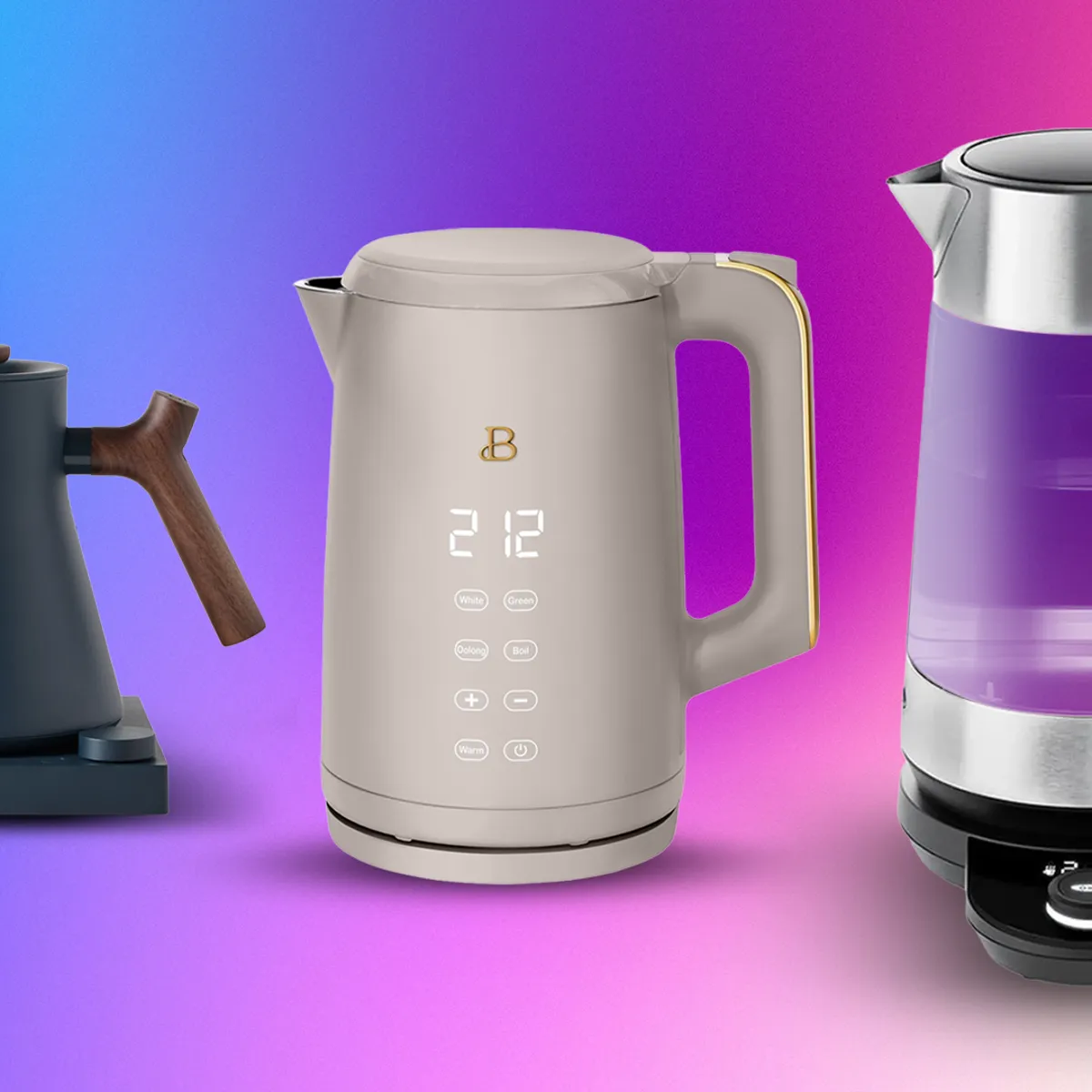
This is where a modern electric tea kettle shines. The best models aren’t just water boilers; they are precision instruments. They give you the control to heat water to the exact temperature required, unlocking the subtle, sweet, and complex flavors of your green tea. It’s the difference between a clumsy guess and a calculated, perfect brew.
The #1 Mistake When Brewing Green Tea (And How to Avoid It)
The single biggest mistake is using boiling water. When you pour 212°F water over green tea leaves, you’re essentially shocking them. This thermal shock causes them to release all their catechins and tannins at once, resulting in a harsh, bitter flavor profile that masks the tea’s natural sweetness.
“Think of it like cooking a delicate fish versus a tough cut of meat,” notes Dr. Alistair Finch, a materials scientist specializing in consumer products. “You wouldn’t blast a piece of sole with the same high heat you’d use for a brisket. Green tea leaves are that delicate fish; they require a gentle touch to bring out their best qualities.”
The solution is simple: temperature control. The ideal temperature range for most green teas is between 160°F and 180°F (71°C to 82°C). This is the sweet spot that extracts the wonderful flavors and antioxidants without drawing out the bitterness.
How to Brew Green Tea in an Electric Kettle: A Step-by-Step Guide
Ready to transform your tea experience? Follow these simple steps. This guide assumes you’re using a variable temperature kettle, which we highly recommend. If you have a standard kettle, see the tips in the FAQ section below.
- Choose Your Tea and Your Mug: Start with high-quality loose-leaf green tea or a quality tea bag. The better the ingredients, the better the final cup. Place your tea into your mug or an infuser. The general rule is about 1 teaspoon of leaves per 8 ounces of water.
- Fill the Kettle with Fresh, Cold Water: Always start with fresh, cold, filtered water. Re-boiling water depletes its oxygen content, which can lead to a flat-tasting tea. Fill your water boiler with slightly more water than you’ll need for your cup to ensure the heating element is properly submerged.
- Select the Correct Temperature: This is the most crucial step. Set your variable temperature electric kettle to the desired temperature. A good starting point for most Japanese green teas (like Sencha) is 175°F (80°C). For more delicate Chinese green teas, you might even go as low as 165°F (74°C).
- Wait for the Kettle to Finish: Let the appliance do its work. Most modern kettles will beep or shut off automatically once the target temperature is reached. Some even have a ‘keep warm’ feature, which is perfect if you get distracted.
- Pour and Steep: Pour the heated water over your tea leaves. A kettle with a gooseneck spout offers superior control, allowing you to saturate the leaves evenly. Start a timer immediately. Green tea steeps quickly, typically for only 1 to 3 minutes. Steeping for too long is another common cause of bitterness.
- Enjoy: Remove the tea bag or infuser once the time is up. Take a sip and appreciate the smooth, nuanced flavor you’ve just unlocked.
Choosing the Best Electric Kettle for Green Tea Lovers
If you’re serious about your tea, investing in the right kettle is a must. It’s less of an expense and more of an upgrade to your daily ritual. Here’s what to look for.
Variable Temperature Control: The Non-Negotiable Feature
|
Our Picks for the Best Electric Kettle in 2026
As an Amazon Associate, we earn from qualifying purchases.
|
||
| Num | Product | Action |
|---|---|---|
| 1 | OVENTE Electric Kettle, 1.5L Borosilicate Glass Countertop Water Heater and Boiler for Coffee or Tea, BPA-Free, Auto Shut-Off, Boil-Dry Protection, Removable and Washable Spout Filter, Black KG83B |

|
| 2 | Chefman Electric Kettle, 1.8L 1500W, Hot Water Boiler, Removable Lid for Easy Cleaning, Auto Shut Off, Boil-Dry Protection, Stainless Steel Filter, BPA Free, Borosilicate Glass Electric Tea Kettle |
|
| 3 | Chefman Electric Kettle with Temperature Control, 5 Presets LED Indicator Lights, Removable Tea Infuser, Glass Tea Kettle & Hot Water Boiler, 360° Swivel Base, BPA Free, Stainless Steel, 1.8 Liters |
|
| 4 | Amazon Basics Electric Kettle with Glass Carafe for Tea and Coffee, BPA-Free, Fast Boiling, Auto Shut-Off, 1.8 Quarts, 1500W, Black and Silver |
|
| 5 | Chefman Electric Kettle, 1.8L 1500W, Hot Water Boiler, Removable Lid for Easy Cleaning, Auto Shut Off, Boil-Dry Protection, Stainless Steel Filter, BPA Free, Borosilicate Glass Electric Tea Kettle |
|
| 6 | OVENTE Electric Kettle, 1.5L Borosilicate Glass Countertop Water Heater and Boiler for Coffee or Tea, BPA-Free, Auto Shut-Off, Boil-Dry Protection, Removable and Washable Spout Filter, Black KG83B |
|
| 7 | Cuisinart 1.7-Liter Stainless Steel Cordless Electric Kettle with 6 Preset Temperatures |
|
| 8 | Cosori Electric Kettle, No Plastic Filter & Spout, 1.7L Tea Kettle & Hot Water Boiler For Coffee & Tea, Water Heater & Teapot, Automatic Shut Off, Borosilicate glass, Black, 1500W |
|
| 9 | Chefman Electric Kettle with Tea Infuser, 1L 1500W, Removable Lid for Easy Cleaning, Boil-Dry Protection, Stainless Steel Filter, BPA Free, Auto Shut Off Hot Water Boiler, Small Electric Tea Kettle |
|
| 10 | Amazon Basics Electric Stainless Steel Kettle for Tea and Coffee, BPA-Free, Fast Boiling, Auto Shut-Off, 1.1 Quarts, 1500W, Black and Silver |
|
This is the single most important feature for any tea enthusiast. Look for a kettle with pre-set temperature settings for different types of tea (green, white, oolong, black) or, even better, the ability to select a precise temperature in 5 or 10-degree increments. This feature is the foundation of learning how to brew green tea in an electric kettle properly.
Gooseneck vs. Standard Spout: Does It Matter?
For brewing directly in a cup, a standard spout is perfectly fine. However, if you’re a fan of the pour-over method or simply love precision, a gooseneck kettle is a fantastic choice. The long, curved spout gives you an incredible amount of control over the flow rate and direction of the water, ensuring all your tea leaves are evenly saturated for a balanced extraction. You can explore some of our top picks in our [guide to the best gooseneck kettles].
Materials Matter: Stainless Steel, Glass, or Plastic?
The material of your kettle impacts both performance and the taste of your water.
| Material | Pros | Cons | Best For |
|---|---|---|---|
| Stainless Steel | Durable, easy to clean, excellent heat retention. Often available in sleek, modern designs. | Can get hot to the touch on the exterior. Opaque, so you can’t see the water level easily without a window. | Durability and performance. A great all-around choice for daily, heavy use. |
| Glass | Aesthetically pleasing (watching water boil is fun!), allows you to see water level and any mineral buildup, doesn’t impart any flavor. | More fragile than steel, can show water spots and scale easily. | Purity of taste and visual appeal. You know exactly what’s going on inside. |
| Plastic | Lightweight, inexpensive, cool to the touch. | Can potentially retain odors or flavors over time. Crucially, ensure it is certified BPA-free. | Budget-conscious buyers and those who prioritize a lightweight, cool-touch exterior. |
Beyond the Brew: Maintaining Your Kettle for Pure-Tasting Tea
A clean kettle makes better-tasting tea. Over time, mineral deposits (limescale) from your water can build up inside your kettle, which can affect its efficiency and the taste of your brew.
How to Descale Your Electric Kettle:
- Create a Cleaning Solution: Fill the kettle halfway with a 1-to-1 solution of white vinegar and water.
- Boil the Solution: Bring the mixture to a boil. If you have a variable temp kettle, just set it to 212°F (100°C).
- Let It Sit: Once it boils, turn the kettle off and let the hot solution sit inside for at least 30 minutes to an hour. For heavy buildup, you can let it sit longer.
- Rinse Thoroughly: Pour out the solution and rinse the inside of the kettle with fresh water several times to remove any lingering vinegar smell or taste.
- Boil Fresh Water: Do one final boil with fresh water only and discard it. Your kettle is now clean and ready for your next perfect brew.
Frequently Asked Questions (FAQ)
Q: What is the perfect water temperature for green tea?
A: The ideal range is generally between 160°F and 180°F (71°C – 82°C). A good starting point for most varieties is 175°F (80°C). Delicate, shade-grown Japanese teas like Gyokuro may require even lower temperatures.
Q: How do I get the right temperature without a variable temp kettle?
A: You can use the “boil and wait” method. Bring the water to a full boil in your standard kettle, then turn it off and let it cool. For a target of around 175°F, let the water sit for about 2-3 minutes with the lid open before pouring.
Q: Can I brew the tea directly inside my electric kettle?
A: It’s strongly advised not to. Most electric kettles are designed for water only. Brewing tea inside can stain the interior, clog the heating element, and is often difficult to clean properly, which can affect the taste of future boils. Use a separate mug, teapot, or infuser.
Q: How long should I steep green tea?
A: Green tea requires a short steeping time, typically 1 to 3 minutes. Start with 2 minutes and adjust based on your preference. Steeping for too long is a primary cause of bitterness, even with the correct water temperature.
Q: Why does my green tea still taste bitter even with the right temperature?
A: Besides water temperature, two other factors are likely culprits: steeping time and the amount of tea. Try reducing your steeping time to under 2 minutes or using slightly fewer tea leaves. The quality of the tea itself also plays a significant role.
Your Perfect Cup Awaits
Mastering how to brew green tea in an electric kettle isn’t about complicated rituals; it’s about understanding the simple science of temperature. By moving beyond a simple “on/off” switch and embracing the precision of a modern, variable-temperature kettle, you unlock a world of flavor you might be missing out on. You trade bitter, disappointing brews for consistently smooth, fragrant, and delicious cups of tea.
How to Brew Green Tea in an Electric Kettle
Follow these steps to brew perfect green tea using a variable temperature electric kettle, avoiding common mistakes like using boiling water.
Select high-quality loose-leaf green tea or a quality tea bag. Place your chosen tea into your mug or an infuser, using about 1 teaspoon of leaves per 8 ounces of water.
Always start with fresh, cold, filtered water. Fill your electric kettle with slightly more water than you need for your cup to ensure the heating element is properly submerged.
Set your variable temperature electric kettle to the desired temperature. A good starting point for most Japanese green teas is 175u00b0F (80u00b0C), while delicate Chinese green teas may require 165u00b0F (74u00b0C).
Allow the kettle to heat the water to the target temperature. Most modern kettles will beep or shut off automatically once the desired temperature is reached.
Pour the heated water over your tea leaves, ideally using a gooseneck spout for even saturation. Steep for 1 to 3 minutes, using a timer to prevent over-steeping and bitterness.
Get our weekly buyer guide
Practical specs, not advice. Unsubscribe anytime.
I used to struggle so much with bitter green tea, even with good quality leaves. The tip about keeping the water between 160°F and 180°F in my electric kettle has been a total game-changer. My tea is finally smooth and delicious, just like it should be. No more guessing games with the temperature!
This was super helpful! I always just boiled water to 212°F and wondered why my green tea tasted off. Understanding that intense heat cooks the leaves makes so much sense now. My electric kettle has a ‘green tea’ preset, and I’ve been using it religiously since reading this. Much better flavor!
I appreciate the advice on temperature control for green tea. My current electric kettle doesn’t have precise temperature settings, so I have to watch it closely and turn it off manually. It’s a bit of a hassle, but at least I’m not scorching the leaves anymore. I’m definitely looking into an upgrade with better controls.
I’ve been trying to get into green tea for its health benefits, but the taste was always a letdown. The explanation about how scalding hot water ruins the delicate leaves really resonated with me. Following these steps with my electric kettle has made a huge difference; my tea is finally enjoyable and not astringent.