Learning how to brew matcha tea kettle style is less about a rigid recipe and more about embracing a modern ritual. The most important tool in your modern matcha-making arsenal is your electric kettle, specifically one with variable temperature control. This allows you to heat water to the precise 160°F to 175°F (70°C – 80°C) range, which is crucial for extracting the sweet, umami notes and L-theanine from matcha without releasing bitter tannins, ensuring a smooth and sweet taste every time.
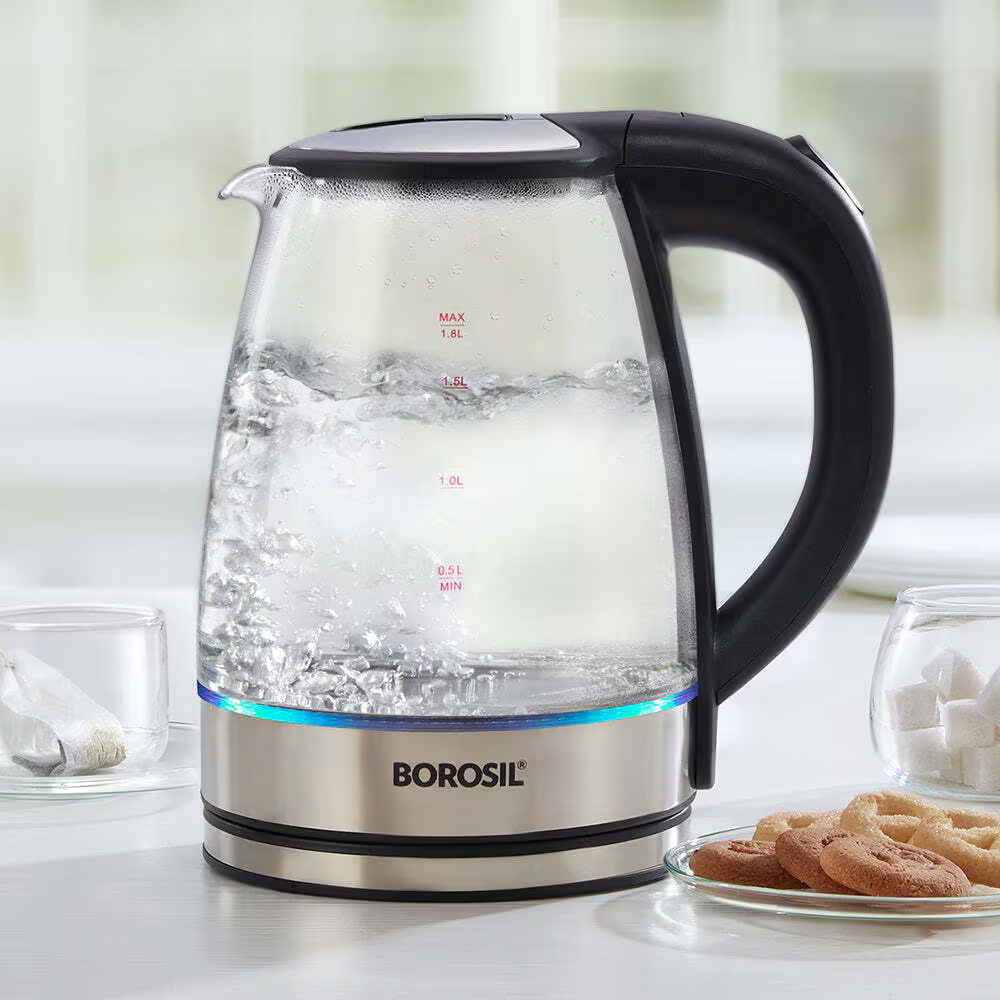
Why Your Kettle is the Secret to Perfect Matcha
Matcha is delicate, consisting of finely ground, high-quality green tea leaves. Using boiling water (212°F or 100°C) scorches the leaves, releasing an excess of tannins that cause a bitter, astringent taste. This is the most common mistake in matcha preparation.
The optimal temperature for matcha is between 160°F and 175°F (70°C – 80°C). At this temperature, desirable compounds like L-theanine, subtle sweetness, and rich umami notes are properly extracted. A standard, single-temperature water boiler cannot achieve this precision, making a specialized electric tea kettle a necessity for true matcha lovers.
Choosing the Right Gear: Not All Kettles are Created Equal
Before we get into the step-by-step process of how to brew matcha tea kettle style, let’s talk about the hardware. Your choice of kettle will directly impact the final taste in your cup.
The Game-Changer: The Variable Temperature Kettle
This is the hero of our story. A variable or multi-temp kettle allows you to select the exact temperature you need, eliminating guesswork and the need to wait for boiling water to cool.
- Precision: You can dial in 175°F, and the kettle stops automatically when it reaches that exact temperature, making it foolproof.
- Consistency: Every single cup of matcha you make will be brewed at the optimal temperature, ensuring a consistent, delicious result time after time.
- Versatility: Beyond matcha, you can use it for other delicate teas like white tea (160°F) or oolong (195°F), and even for pour-over coffee (205°F). It’s a true multi-tasker.
The Precision Artist: The Gooseneck Spout
While not strictly essential, a gooseneck kettle offers an incredible level of control. When making the initial matcha paste, only a tiny amount of water is needed. A standard kettle spout can dispense too much water at once, whereas a gooseneck spout allows for a slow, precise, and gentle stream. This enables you to add water drop by drop if needed, ensuring a perfect, lump-free paste. If you’re serious about your tea and coffee rituals, a gooseneck kettle with variable temperature is the ultimate upgrade.
Material Matters: Stainless Steel vs. Glass
|
Our Picks for the Best Electric Kettle in 2026
As an Amazon Associate, we earn from qualifying purchases.
|
||
| Num | Product | Action |
|---|---|---|
| 1 | Amazon Basics Electric Stainless Steel Kettle for Tea and Coffee, BPA-Free, Fast Boiling, Auto Shut-Off, 1.1 Quarts, 1500W, Black and Silver |

|
| 2 | Chefman Electric Kettle, 1.8L 1500W, Hot Water Boiler, Removable Lid for Easy Cleaning, Auto Shut Off, Boil-Dry Protection, Stainless Steel Filter, BPA Free, Borosilicate Glass Electric Tea Kettle |
|
| 3 | Chefman Electric Kettle with Tea Infuser, 1L 1500W, Removable Lid for Easy Cleaning, Boil-Dry Protection, Stainless Steel Filter, BPA Free, Auto Shut Off Hot Water Boiler, Small Electric Tea Kettle |
|
| 4 | Cuisinart 1.7-Liter Stainless Steel Cordless Electric Kettle with 6 Preset Temperatures |
|
| 5 | Cosori Electric Kettle, No Plastic Filter & Spout, 1.7L Tea Kettle & Hot Water Boiler For Coffee & Tea, Water Heater & Teapot, Automatic Shut Off, Borosilicate glass, Black, 1500W |
|
| 6 | OVENTE Electric Kettle, 1.5L Borosilicate Glass Countertop Water Heater and Boiler for Coffee or Tea, BPA-Free, Auto Shut-Off, Boil-Dry Protection, Removable and Washable Spout Filter, Black KG83B |
|
| 7 | Amazon Basics Electric Kettle with Glass Carafe for Tea and Coffee, BPA-Free, Fast Boiling, Auto Shut-Off, 1.8 Quarts, 1500W, Black and Silver |
|
| 8 | Chefman Electric Kettle, 1.8L 1500W, Hot Water Boiler, Removable Lid for Easy Cleaning, Auto Shut Off, Boil-Dry Protection, Stainless Steel Filter, BPA Free, Borosilicate Glass Electric Tea Kettle |
|
| 9 | Chefman Electric Kettle with Temperature Control, 5 Presets LED Indicator Lights, Removable Tea Infuser, Glass Tea Kettle & Hot Water Boiler, 360° Swivel Base, BPA Free, Stainless Steel, 1.8 Liters |
|
| 10 | OVENTE Electric Kettle, 1.5L Borosilicate Glass Countertop Water Heater and Boiler for Coffee or Tea, BPA-Free, Auto Shut-Off, Boil-Dry Protection, Removable and Washable Spout Filter, Black KG83B |
|
The material of your kettle can also influence your brew. Here’s a quick breakdown:
| Material | Pros | Cons | Best For |
|---|---|---|---|
| Stainless Steel | Durable, excellent heat retention, easy to clean. | Can sometimes have a slight metallic taste initially (boil a few times to fix). | The workhorse; great for daily, heavy use. |
| Glass | Aesthetically pleasing, no flavor transfer, you can see the water boil. | More fragile, can show mineral buildup more easily. | The purist who values clean taste and visual appeal. |
| Plastic (BPA-Free) | Lightweight, often more affordable. | Can potentially absorb odors over time, concerns about longevity. | Budget-conscious buyers, but always ensure it’s BPA-free. |
“The single most overlooked factor in tea brewing is water quality and temperature. Using a kettle made from an inert material like borosilicate glass or 304-grade stainless steel ensures that nothing interferes with the tea’s delicate flavor profile.” – Dr. Aris Thorne, Materials Scientist
The Step-by-Step Guide: How to Brew Matcha Tea Kettle Style
Alright, you’ve got your gear. Let’s make some matcha! This is my go-to method for a perfect cup every time.
- Heat Your Water: Fill your variable temperature electric kettle with fresh, filtered water. Set the temperature to 175°F (80°C). If your kettle doesn’t have that exact setting, choose the closest one in the 170-180°F range.
- Sift Your Matcha: While the water is heating, use a small, fine-mesh sieve to sift 1-2 teaspoons (about 2-4 grams) of ceremonial grade matcha into your tea bowl (chawan). This step is crucial for preventing clumps. Don’t skip it!
- Make the Paste: Once your kettle clicks off at 175°F, pour just a small amount of the hot water (about 1-2 tablespoons) into the bowl with the sifted matcha. If you have a gooseneck kettle, this is where its precision shines.
- Whisk It Smooth: Using a traditional bamboo whisk (chasen), whisk the matcha and water together into a smooth, thick paste. Use a back-and-forth “W” or “M” motion to break up any remaining tiny clumps. The goal is a consistency like melted chocolate.
- Add Remaining Water: Now, add the rest of your hot water—about 2-3 ounces (60-90 ml) for a traditional cup.
- The Final Whisk: Whisk vigorously in that same “W” motion until a beautiful, creamy layer of fine foam appears on the surface. This shouldn’t take more than 15-20 seconds. Avoid pressing the whisk into the bottom of the bowl.
- Enjoy Immediately: Matcha is best consumed right away, while the foam is fresh and the temperature is perfect.
Common Matcha Mistakes and How Your Kettle Can Fix Them
I used to struggle with my matcha. My old, basic kettle was the culprit more often than not. Here are a few problems a good electric tea kettle solves instantly.
- The Problem: My matcha is unpleasantly bitter.
- The Kettle Fix: Your water is too hot. A variable temperature kettle guarantees you never scorch your delicate tea leaves again. Set it to 175°F and forget it.
- The Problem: My matcha is clumpy and doesn’t dissolve.
- The Kettle Fix: This is often caused by dumping too much water in at once. A gooseneck kettle gives you the control to add just a splash of water to create the initial paste, making it much easier to achieve a silky-smooth texture.
- The Problem: My matcha tastes flat and weak.
- The Kettle Fix: Your water might be too cool. Water below 160°F won’t properly extract the full flavor profile. The precision of a digital kettle ensures you’re in the optimal extraction zone.
Frequently Asked Questions (FAQ)
Q: What is the absolute best temperature for brewing matcha?
A: The ideal temperature for brewing matcha is 175°F (80°C). This provides the best balance, extracting the sweet and umami flavors without releasing the bitter-tasting tannins that come from using water that is too hot.
Q: Can I use a regular electric kettle for matcha?
A: You can, but it requires guesswork. You would need to boil the water and then let it cool for several minutes, using a thermometer to check the temperature. A variable temperature kettle removes this hassle and provides a perfect, consistent result every time.
Q: Do I really need a gooseneck kettle for matcha?
A: While not strictly necessary, a gooseneck kettle makes the process significantly easier and more enjoyable. It offers superior pouring control, which is very helpful for creating the initial smooth paste, a critical step in making lump-free matcha.
Q: How does the kettle’s material affect the taste of my matcha?
A: Materials like glass and high-grade stainless steel are non-reactive, meaning they won’t impart any unwanted flavors into your water. This ensures you taste the pure, clean flavor of your matcha. Lower-quality plastic or metal kettles can sometimes add a subtle off-taste.
Q: How do I clean a kettle used for making tea?
A: To descale your kettle, fill it with a 1:1 solution of white vinegar and water, let it sit for an hour (or boil it for a faster clean), then rinse thoroughly. For daily cleaning, simply rinsing with hot water and drying is sufficient. Avoid using abrasive soaps.
The Final Word on Your Matcha Journey
Mastering how to brew matcha tea kettle style is an incredibly rewarding experience. It transforms a simple beverage into a mindful morning ritual. While the quality of your matcha powder is important, the unsung hero is undoubtedly the electric kettle. By investing in a model with precise temperature control, you are giving yourself the gift of consistency and unlocking the true, nuanced flavor of this ancient green tea. So, go ahead, set your kettle to 175°F, and get whisking. You’re just a few moments away from the perfect cup.
Frequently Asked Questions
What is the absolute best temperature for brewing matcha?
The ideal temperature for brewing matcha is 175u00b0F (80u00b0C). This specific temperature extracts the sweet and umami flavors effectively without releasing bitter-tasting tannins, which are produced when water is too hot.
Can I use a regular electric kettle for matcha?
You can use a regular electric kettle for matcha, but it requires careful temperature monitoring. You would need to boil the water and then let it cool for several minutes, using a thermometer to ensure it reaches the optimal 175u00b0F. A variable temperature kettle eliminates this guesswork, providing consistent results.
Do I really need a gooseneck kettle for matcha?
While not strictly necessary, a gooseneck kettle significantly enhances the matcha brewing process. Its superior pouring control is especially helpful for adding just a small splash of water to create the initial smooth, lump-free matcha paste, a critical step for a perfect cup.
How does the kettle's material affect the taste of my matcha?
Kettle materials like glass and high-grade stainless steel are non-reactive, meaning they will not impart any unwanted flavors into your water. This ensures you experience the pure, clean flavor of your matcha. Lower-quality plastic or certain metal kettles can sometimes introduce subtle off-tastes.
How do I clean an electric kettle used for making tea?
To descale your kettle, fill it with a 1:1 solution of white vinegar and water, let it sit for an hour, or boil it for a faster clean, then rinse thoroughly. For daily cleaning, simply rinsing with hot water and drying is sufficient; avoid using abrasive soaps.
Brew Matcha Tea Kettle Style for a Perfect Cup
Follow these steps to brew a perfect cup of matcha using an electric kettle with precise temperature control, ensuring a smooth, flavorful, and lump-free beverage every time.
Fill your variable temperature electric kettle with fresh, filtered water. Set the temperature to 175u00b0F (80u00b0C). If your kettle lacks this exact setting, choose the closest option within the 170-180u00b0F range.
While the water heats, use a small, fine-mesh sieve to sift 1-2 teaspoons (about 2-4 grams) of ceremonial grade matcha into your tea bowl (chawan). This crucial step prevents clumps and ensures a smooth consistency.
Once the kettle reaches 175u00b0F, pour a small amount of hot water (about 1-2 tablespoons) into the bowl with the sifted matcha. Use a traditional bamboo whisk (chasen) to whisk the matcha and water into a smooth, thick paste, using a back-and-forth 'W' or 'M' motion to break up any tiny clumps.
Add the rest of your hot water, approximately 2-3 ounces (60-90 ml), for a traditional cup. Whisk vigorously in the same 'W' motion for 15-20 seconds until a beautiful, creamy layer of fine foam appears on the surface. Avoid pressing the whisk into the bottom of the bowl.
Matcha is best consumed right away to savor its fresh foam and optimal temperature. The nuanced flavors are most pronounced when enjoyed immediately after preparation.
Get our weekly buyer guide
Practical specs, not advice. Unsubscribe anytime.
This guide was super helpful. I always wondered why my matcha sometimes tasted a little astringent, and it turns out I was probably using water that was too hot. My current kettle doesn’t have precise temperature control, so I’ve been trying to eyeball it. Definitely investing in one with variable settings soon to avoid scorching those delicate leaves.
I’ve been trying to perfect my matcha ritual for ages, and the tip about avoiding boiling water was a game-changer. I never realized how much of a difference the exact temperature makes in extracting those umami notes and L-theanine. My morning matcha is now consistently delicious and never bitter, thanks to my new variable temp kettle.
I used to just boil water in my old kettle and then let it sit, but my matcha always tasted a bit off. Getting a variable temperature electric kettle changed everything! Being able to hit that 160-175°F range precisely really does make a difference. My matcha is so much smoother and sweeter now, no bitterness at all.
I appreciate the emphasis on temperature control for matcha. My kettle has a ‘green tea’ preset, but it’s fixed at 180°F, which is just a touch too high for the optimal 160-175°F range. It’s still better than boiling, but I wish it had more granular control. The taste is good, but I wonder if it could be even better.