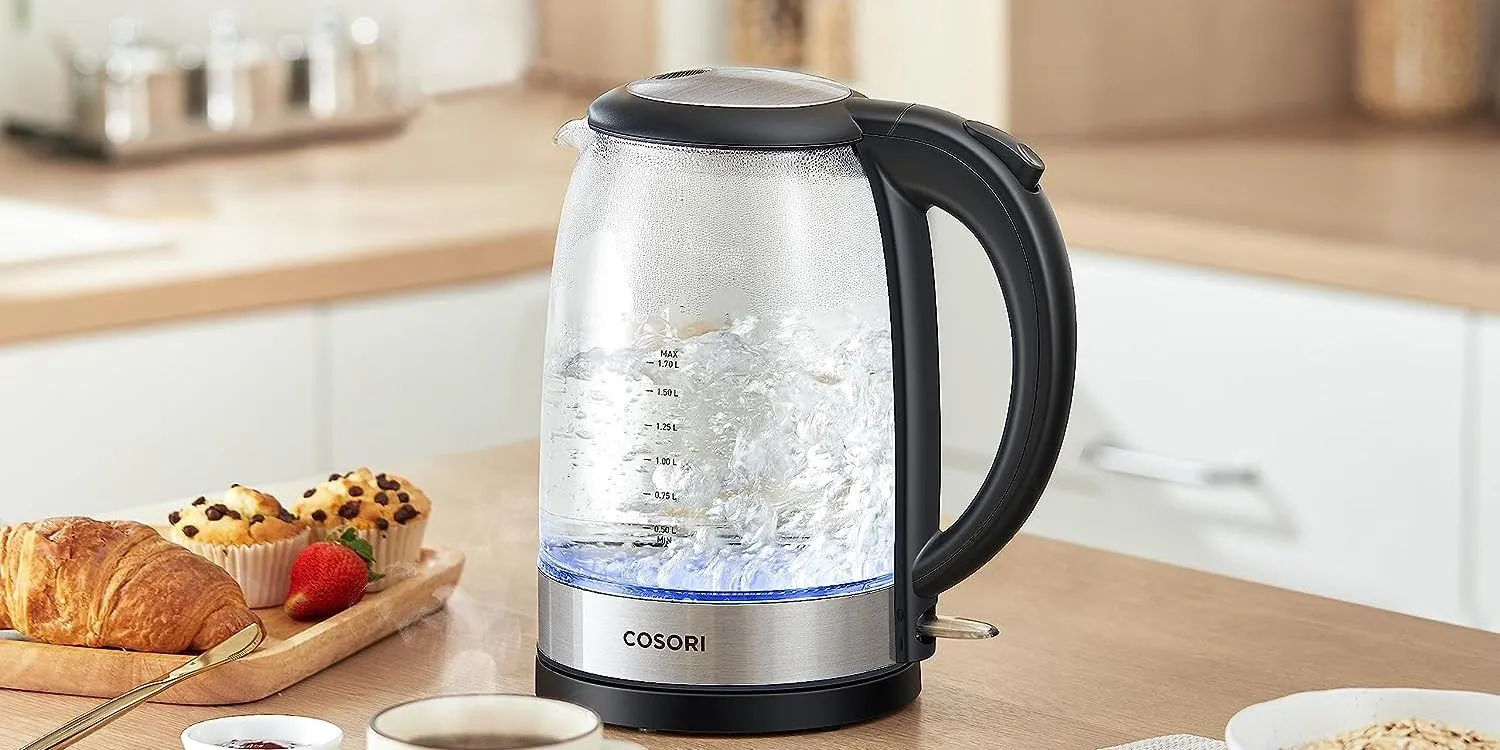
To use a variable temperature kettle like a pro, fill it with fresh, cold water, place it on its base, select the desired temperature using presets or manual controls, and press start. The kettle will heat the water to the exact temperature, typically between 70°C (160°F) and 100°C (212°F), and then automatically shut off, ensuring optimal flavor extraction for various beverages like delicate teas or coffee.
Why Temperature Control is a Game-Changer
Before we dive into the how, let’s quickly cover the why. Why does the exact temperature of your water matter so much? It all comes down to chemistry. Different compounds in tea leaves and coffee grounds dissolve best at specific temperatures.
- Too Hot: Using boiling water (100°C / 212°F) on delicate green or white teas can scorch the leaves. This releases an excess of tannins, resulting in a bitter, astringent taste that masks the tea’s subtle, sweet notes.
- Too Cold: Water that isn’t hot enough won’t properly extract the flavors, leaving you with a weak, underwhelming, and flat-tasting brew. It’s like trying to melt a chocolate bar with a lukewarm breath.
A variable temperature kettle gives you the precision to hit that “sweet spot” every single time, unlocking the full flavor profile of whatever you’re brewing.
“Precision temperature control is the single most overlooked factor in home brewing. Consumers spend hundreds on premium beans or rare teas, only to ruin them with water at the wrong temperature. A good kettle isn’t a luxury; it’s a fundamental tool for flavor extraction.” – Dr. Evelyn Reed, Food Scientist and Beverage Consultant.
Mastering Your Kettle: A Step-by-Step Guide
Alright, let’s get down to business. While every model is slightly different, the core principles of how to use a variable temperature kettle are universal.
- Fill It Up: Open the lid and fill the kettle with fresh, cold water. Most kettles have a minimum and maximum fill line marked on the inside or on a water window. It’s important to respect these: too little water can damage the heating element, and too much can cause boiling water to spit out of the spout.
- Place it on the Base: Set the kettle securely on its 360-degree power base.
- Select Your Temperature: This is where the magic happens. Your kettle will have preset buttons (e.g., “Green Tea,” “Coffee”) or a manual control (usually
+and-buttons) to dial in a specific temperature. If you’re unsure, consult our temperature guide below. - Start the Heat: Press the “Start” or “On” button. You’ll hear the heating element kick in. Many modern kettles are surprisingly quiet.
- Listen for the Beep: Once the water reaches the target temperature, the kettle will typically beep and automatically shut off. It’s now ready to pour.
It’s really that simple. You’ve just taken your first step into a world of better-tasting drinks.
The Ultimate Temperature Guide for Perfect Brews
Bookmark this section. This is your new cheat sheet for brewing perfection. Temperatures are provided in both Celsius and Fahrenheit for convenience.
| Beverage | Recommended Temperature | Why it Works |
|---|---|---|
| Delicate Teas | ||
| White Tea, Yellow Tea | 70-80°C / 160-175°F | Preserves the subtle, sweet, and floral notes without any bitterness. |
| Green Tea (Japanese) | 70-85°C / 160-185°F | Extracts the rich umami and vegetal flavors without scorching the leaves. |
| Green Tea (Chinese) | 80-85°C / 175-185°F | A slightly higher temp works well for pan-fired Chinese green teas. |
| Robust Teas | ||
| Oolong Tea | 85-95°C / 185-205°F | The wide range accounts for different oxidation levels in oolongs. |
| Black Tea, Pu-erh Tea | 95-100°C / 205-212°F | A near-boil is needed to fully extract the deep, malty, and rich flavors. |
| Coffee | ||
| Pour-Over, French Press | 90-96°C / 195-205°F | The ideal range for optimal extraction. Boiling water scalds the grounds. |
| Other Drinks | ||
| Hot Chocolate | 85°C / 185°F | Hot enough to melt powder or chocolate but not so hot it’s undrinkable. |
| Herbal Infusions | 100°C / 212°F | A full boil is best for extracting flavors from roots, dried fruits, and spices. |
Understanding Your Kettle’s Advanced Features
Many modern electric kettles come with a few extra bells and whistles. Knowing how to use these features will elevate your experience even further.
What is the ‘Keep Warm’ Function For?
|
Our Picks for the Best Electric Kettle in 2026
As an Amazon Associate, we earn from qualifying purchases.
|
||
| Num | Product | Action |
|---|---|---|
| 1 | OVENTE Electric Kettle, 1.5L Borosilicate Glass Countertop Water Heater and Boiler for Coffee or Tea, BPA-Free, Auto Shut-Off, Boil-Dry Protection, Removable and Washable Spout Filter, Black KG83B |

|
| 2 | Amazon Basics Electric Kettle with Glass Carafe for Tea and Coffee, BPA-Free, Fast Boiling, Auto Shut-Off, 1.8 Quarts, 1500W, Black and Silver |
|
| 3 | Chefman Electric Kettle, 1.8L 1500W, Hot Water Boiler, Removable Lid for Easy Cleaning, Auto Shut Off, Boil-Dry Protection, Stainless Steel Filter, BPA Free, Borosilicate Glass Electric Tea Kettle |
|
| 4 | Cosori Electric Kettle, No Plastic Filter & Spout, 1.7L Tea Kettle & Hot Water Boiler For Coffee & Tea, Water Heater & Teapot, Automatic Shut Off, Borosilicate glass, Black, 1500W |
|
| 5 | Chefman Electric Kettle with Tea Infuser, 1L 1500W, Removable Lid for Easy Cleaning, Boil-Dry Protection, Stainless Steel Filter, BPA Free, Auto Shut Off Hot Water Boiler, Small Electric Tea Kettle |
|
| 6 | Amazon Basics Electric Stainless Steel Kettle for Tea and Coffee, BPA-Free, Fast Boiling, Auto Shut-Off, 1.1 Quarts, 1500W, Black and Silver |
|
| 7 | Chefman Electric Kettle, 1.8L 1500W, Hot Water Boiler, Removable Lid for Easy Cleaning, Auto Shut Off, Boil-Dry Protection, Stainless Steel Filter, BPA Free, Borosilicate Glass Electric Tea Kettle |
|
| 8 | OVENTE Electric Kettle, 1.5L Borosilicate Glass Countertop Water Heater and Boiler for Coffee or Tea, BPA-Free, Auto Shut-Off, Boil-Dry Protection, Removable and Washable Spout Filter, Black KG83B |
|
| 9 | Chefman Electric Kettle with Temperature Control, 5 Presets LED Indicator Lights, Removable Tea Infuser, Glass Tea Kettle & Hot Water Boiler, 360° Swivel Base, BPA Free, Stainless Steel, 1.8 Liters |
|
| 10 | Cuisinart 1.7-Liter Stainless Steel Cordless Electric Kettle with 6 Preset Temperatures |
|
The ‘Keep Warm’ function is a lifesaver for busy mornings or when you’re hosting guests. After the water reaches your selected temperature, this feature will hold it there for a set period, often between 20 to 60 minutes.
- How to use it: Simply press the ‘Keep Warm’ button before or after the heating cycle starts.
- Pro Tip: This is fantastic for that second cup of tea or for topping off a French press. However, try not to leave it on for too long, as re-boiling or holding water at temperature for extended periods can slightly reduce the oxygen content, which can flatten the taste.
The Gooseneck Spout Advantage
If you’re a serious pour-over coffee enthusiast, a gooseneck kettle with variable temperature control is non-negotiable. The long, slender spout gives you incredible control over the flow rate and direction of your pour. This allows for a slow, even saturation of the coffee grounds, leading to a much more balanced and delicious extraction. It turns brewing coffee from a simple task into a mindful ritual.
Keeping Your Kettle in Prime Condition
A little TLC goes a long way in ensuring your kettle performs perfectly for years. The main enemy is limescale—the chalky white deposit that builds up from minerals in your water.
How to Descale Your Variable Temperature Kettle
Descaling is easy and should be done every 1-3 months, depending on your water hardness.
- Create the Solution: Fill the kettle halfway with a 1:1 solution of white vinegar and water. Alternatively, use a commercial descaling solution and follow the package instructions.
- Let It Soak: Let the solution sit in the kettle for at least an hour. For heavy buildup, you can let it sit overnight. Do not boil the vinegar solution, as the fumes can be unpleasant and it isn’t necessary.
- Rinse Thoroughly: Pour out the solution and rinse the inside of the kettle with fresh water 3-4 times to remove any lingering vinegar taste.
- Boil a Fresh Batch: Fill the kettle with fresh water, boil it at 100°C / 212°F, and discard the water. This final step ensures any last traces of the cleaning solution are gone.
Your kettle will now heat more efficiently and your water will taste cleaner.
Frequently Asked Questions (FAQ)
Here are some common questions we get about using these clever devices.
Q: Is a variable temperature kettle really worth the extra cost?
A: Absolutely, if you drink anything other than black tea or instant noodles. The improvement in taste for coffee, green tea, and white tea is dramatic. It’s a small investment for a significantly better daily beverage experience.
Q: Can I just use the boiling setting for everything?
A: You can, but you’d be missing the main benefit of the kettle! Using boiling water on delicate teas will make them bitter. For coffee, it can lead to over-extraction and a harsh taste. It’s best to use the right temperature for the right drink.
Q: How do I know if my water is hard?
A: A tell-tale sign is seeing a white, chalky film building up inside your kettle or on your faucets. If you see this, you likely have hard water and should plan to descale your kettle more frequently, perhaps once a month.
Q: Can I heat milk or soup in my electric kettle?
A: No, this is a very bad idea. Electric kettles are designed for water only. Milk or soup will burn onto the heating element, creating a terrible mess that’s nearly impossible to clean and can permanently damage your appliance.
Q: My kettle has preset temperatures. What if I need a temperature in between them?
A: If your kettle has presets but no manual controls, you can get creative. For example, if you need 90°C water and have an 85°C and 95°C preset, heat it to 95°C and let it cool for a minute or two with the lid open before pouring.
Your Journey to Better Brewing Starts Now
Learning how to use a variable temperature kettle is more than just learning a new appliance; it’s about taking control of one of the most crucial variables in making a delicious cup of tea or coffee. It’s an invitation to experiment, to taste the difference between a green tea brewed at 80°C and one at 85°C, and to finally give your premium coffee beans the respect they deserve. So go ahead, embrace the precision, and start brewing the best drinks of your life. You’ll wonder how you ever lived without it.
Frequently Asked Questions
Is a variable temperature kettle worth the extra cost?
Yes, a variable temperature kettle is absolutely worth the extra cost if you drink anything other than black tea or instant noodles. The improvement in taste for coffee, green tea, and white tea is dramatic, making it a small investment for a significantly better daily beverage experience.
Can I use the boiling setting for all beverages?
While you can use the boiling setting for all beverages, it is not recommended as it will make delicate teas bitter and can lead to over-extraction and a harsh taste in coffee. Using the correct temperature, such as 70-85u00b0C for green tea, unlocks the full flavor profile.
How can I tell if my water is hard?
A tell-tale sign of hard water is seeing a white, chalky film building up inside your kettle or on your faucets. If you observe this, you likely have hard water and should plan to descale your kettle more frequently, perhaps once a month, to maintain efficiency.
Is it safe to heat milk or soup in an electric kettle?
No, it is not safe to heat milk or soup in an electric kettle. These appliances are designed exclusively for water. Heating other liquids can cause them to burn onto the heating element, creating a difficult-to-clean mess and potentially causing permanent damage to the appliance.
What if my kettle has presets but I need an in-between temperature?
If your kettle has presets but lacks manual controls for specific temperatures, you can achieve an in-between temperature by heating the water to the next highest preset, for example, 95u00b0C, and then letting it cool for one to two minutes with the lid open before pouring. This allows for slight temperature adjustments.
How to Use a Variable Temperature Kettle
This guide provides step-by-step instructions on how to effectively use a variable temperature kettle to brew various beverages at their optimal temperatures.
Open the lid and fill the kettle with fresh, cold water. Ensure the water level is between the minimum and maximum fill lines to prevent damage or spills.
Set the kettle securely onto its 360-degree power base. Make sure it is properly seated to ensure electrical contact.
Use the kettle's preset buttons (e.g., for green tea or coffee) or manual controls to dial in the specific temperature required for your beverage. Refer to a temperature guide if unsure.
Press the 'Start' or 'On' button to begin heating the water. The heating element will activate, and many modern kettles operate quietly.
Once the water reaches the target temperature, the kettle will typically beep and automatically shut off. The water is now ready for pouring and brewing.
Get our weekly buyer guide
Practical specs, not advice. Unsubscribe anytime.
This guide was super helpful! I always wondered if I was using my kettle right. I love being able to select the exact temperature for my pour-over coffee, usually around 93°C (200°F). It really does make a noticeable difference in the flavor extraction. My only minor complaint is that the beeping when it reaches temp is a little loud.
I’ve had my variable temp kettle for a while, but I never really understood the ‘why’ behind the different temperatures until now. The explanation about tannins and bitterness for delicate teas was really clear. Now I feel like I’m actually using it like a pro, not just guessing!
I used to just boil water for everything, but after reading about how different compounds dissolve best at specific temperatures, I finally got a variable temperature kettle. It’s made such a difference for my green tea! No more bitter taste, just smooth and delicious. Definitely a game-changer for tea lovers.
I bought a variable temperature kettle hoping to improve my delicate white teas, as the post mentioned boiling water can scorch them. While it does heat to the right temp, I find the manual controls a bit fiddly to set precisely. It takes a few tries to get it exactly where I want it, which can be a bit annoying when I’m in a hurry.