Welcome, fellow home tech enthusiast! If you’re here, chances are you’ve realized that not all hot water is created equal. I learned this the hard way years ago, wondering why my fancy Japanese green tea always tasted bitter. The culprit? My old, single-temperature kettle was scorching the delicate leaves. This is precisely why we’re diving deep into this Variable Temperature Kettle Review. Is a kettle with precise temperature control a game-changer or just another gadget? Let’s find out together.
The journey to the perfect cup starts with the perfect temperature. Think of it like cooking: you wouldn’t bake a cake and roast a chicken at the same heat. The same principle applies to your favorite beverages. For anyone serious about their coffee or tea, understanding the benefits of a variable temperature water boiler is the first step toward unlocking a world of flavor you might be missing out on.
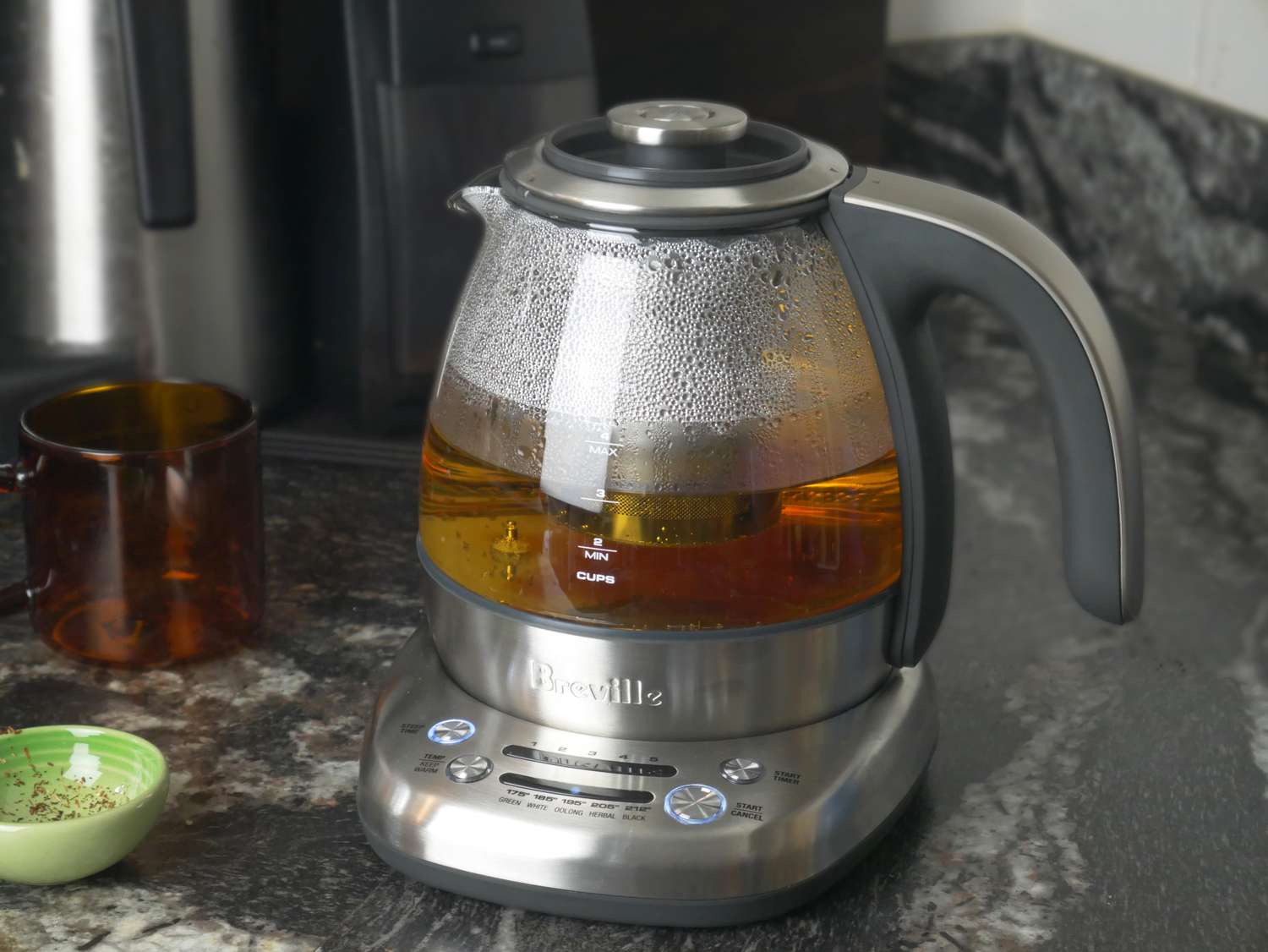
What Exactly Is a Variable Temperature Kettle?
Simply put, a variable temperature kettle is an electric kettle that allows you to heat water to a specific temperature below boiling. Instead of just a simple on/off switch that clicks off at 100°C (212°F), these advanced models feature preset temperature settings or even precise, degree-by-degree controls, giving you complete command over your water.
This level of control is crucial because different drinks extract their best flavors at different temperatures.
- Delicate Teas (Green, White): 70-80°C (160-175°F)
- Oolong Tea: 85-95°C (185-205°F)
- French Press & Pour-Over Coffee: 90-96°C (195-205°F)
- Black Tea & Instant Oatmeal: 100°C (212°F)
Using boiling water for a delicate green tea is like using a blowtorch for a subtle créme brûlée—it completely ruins the intended flavor profile, resulting in bitterness. A proper variable temperature kettle review must emphasize this core benefit: precision leads to perfection.
A Deep Dive: Key Features to Look for in 2024
When you’re ready to upgrade, the market can feel a bit overwhelming. Let’s break down the essential features to consider, so you can make an informed choice that fits your daily routine like a glove.
Temperature Control: Presets vs. Customization
This is the heart and soul of the kettle. You’ll generally find two types of controls:
- Preset Buttons: These are fantastic for simplicity. You’ll have buttons clearly labeled for “Green Tea,” “Coffee,” “Black Tea,” etc. It’s a fire-and-forget solution that’s perfect for most users.
- Custom Temperature Selection: For the true connoisseur, this is the holy grail. These models allow you to adjust the temperature in one- or five-degree increments, giving you the ultimate control to experiment and find the sweet spot for a particular coffee bean or rare tea.
The “Keep Warm” Function: Your Best Friend on Busy Mornings
Ever boil the kettle, get distracted by an email, and come back to lukewarm water? The “Keep Warm” feature is your savior. Most quality variable temperature kettles can hold your chosen temperature for anywhere from 20 to 60 minutes. This means your water is ready for that second cup without needing a full re-boil, saving you time and energy.
Materials and Build Quality: What’s Inside Matters
The material of your kettle affects not just its durability and appearance, but also the taste of your water.
| Material | Pros | Cons |
|---|---|---|
| Stainless Steel | Durable, easy to clean, doesn’t impart flavors. | Can get hot to the touch, exterior shows fingerprints. |
| Glass | Aesthetically pleasing (love that blue light!), allows you to see water level and boiling process. | Can be heavier, more fragile than stainless steel. |
| BPA-Free Plastic | Lightweight, often more affordable, stays cool to the touch. | Can be prone to staining or retaining odors over time. |
“The single most important factor from a health and safety perspective is ensuring any plastic components that come into contact with the water are certified BPA-free. This prevents any unwanted chemicals from leaching into your water, especially at high temperatures.” – Dr. Amelia Vance, Material Scientist
Design, Ergonomics, and Spout Style
Don’t underestimate the importance of how the kettle feels in your hand. Look for a balanced design with a comfortable, heat-resistant handle. The spout is also a critical consideration.
- Standard Spout: Great for general use, fast pouring for a big mug of tea or a bowl of oatmeal.
- Gooseneck Spout: Essential for pour-over coffee lovers. The long, curved spout provides a slow, precise, and controlled pour, which is critical for proper coffee extraction. While many gooseneck models are fantastic, not all focus on being ultra-quiet. For those who value a peaceful kitchen, it’s worth exploring all options. A detailed look into a
[quiet electric kettle review](https://electrickettlebest.com/quiet-electric-kettle-review/)can offer insights into models that balance performance with low noise levels.
|
Our Picks for the Best Electric Kettle in 2026
As an Amazon Associate, we earn from qualifying purchases.
|
||
| Num | Product | Action |
|---|---|---|
| 1 | Chefman Electric Kettle with Tea Infuser, 1L 1500W, Removable Lid for Easy Cleaning, Boil-Dry Protection, Stainless Steel Filter, BPA Free, Auto Shut Off Hot Water Boiler, Small Electric Tea Kettle |

|
| 2 | Amazon Basics Electric Stainless Steel Kettle for Tea and Coffee, BPA-Free, Fast Boiling, Auto Shut-Off, 1.1 Quarts, 1500W, Black and Silver |
|
| 3 | Chefman Electric Kettle, 1.8L 1500W, Hot Water Boiler, Removable Lid for Easy Cleaning, Auto Shut Off, Boil-Dry Protection, Stainless Steel Filter, BPA Free, Borosilicate Glass Electric Tea Kettle |
|
| 4 | OVENTE Electric Kettle, 1.5L Borosilicate Glass Countertop Water Heater and Boiler for Coffee or Tea, BPA-Free, Auto Shut-Off, Boil-Dry Protection, Removable and Washable Spout Filter, Black KG83B |
|
| 5 | Cosori Electric Kettle, No Plastic Filter & Spout, 1.7L Tea Kettle & Hot Water Boiler For Coffee & Tea, Water Heater & Teapot, Automatic Shut Off, Borosilicate glass, Black, 1500W |
|
| 6 | Amazon Basics Electric Kettle with Glass Carafe for Tea and Coffee, BPA-Free, Fast Boiling, Auto Shut-Off, 1.8 Quarts, 1500W, Black and Silver |
|
| 7 | OVENTE Electric Kettle, 1.5L Borosilicate Glass Countertop Water Heater and Boiler for Coffee or Tea, BPA-Free, Auto Shut-Off, Boil-Dry Protection, Removable and Washable Spout Filter, Black KG83B |
|
| 8 | Chefman Electric Kettle, 1.8L 1500W, Hot Water Boiler, Removable Lid for Easy Cleaning, Auto Shut Off, Boil-Dry Protection, Stainless Steel Filter, BPA Free, Borosilicate Glass Electric Tea Kettle |
|
| 9 | Chefman Electric Kettle with Temperature Control, 5 Presets LED Indicator Lights, Removable Tea Infuser, Glass Tea Kettle & Hot Water Boiler, 360° Swivel Base, BPA Free, Stainless Steel, 1.8 Liters |
|
| 10 | Cuisinart 1.7-Liter Stainless Steel Cordless Electric Kettle with 6 Preset Temperatures |
|
Step-by-Step Guide to Maintaining Your Kettle
A great kettle is an investment, and with a little care, it can serve you for years. Limescale buildup is the number one enemy, affecting both performance and taste.
Here’s a simple descaling process:
- Create a Cleaning Solution: Mix equal parts white vinegar and water.
- Fill the Kettle: Fill your kettle about halfway with the solution.
- Boil It (Almost): If your kettle has a 100°C setting, bring it to a boil. If not, heat it to its highest setting and then turn it off just before it boils. Let it sit for at least an hour. For heavy buildup, you can leave it overnight.
- Rinse Thoroughly: Pour out the solution and rinse the inside of the kettle with fresh water 4-5 times to remove any lingering vinegar taste.
- Boil Fresh Water: Fill the kettle with fresh water and bring it to a full boil. Discard this water. This final step ensures any residual vinegar flavor is gone.
Doing this every 1-2 months, depending on your water hardness, will keep your kettle working efficiently and your water tasting pure.
Beyond Tea and Coffee: Creative Uses for Your Kettle
Your variable temperature kettle is more versatile than you think! Here are a few creative ways to use that precise temperature control:
- Perfectly Activating Yeast: Most yeast for baking requires water around 40-46°C (105-115°F). No more guesswork!
- Instant Oatmeal & Soups: Use a lower temperature setting to get the perfect consistency without turning it into mush.
- Warming Baby Bottles: A gentle, controlled temperature is perfect for safely warming a bottle in a separate container of water.
- Making Hot Chocolate: The ideal temperature for rich, smooth hot chocolate is around 85°C (185°F), hot enough to melt everything without scalding the milk.
Frequently Asked Questions (FAQ)
Is a variable temperature kettle really worth the extra cost?
Absolutely, if you are a regular tea or coffee drinker. The improvement in taste for beverages brewed at their correct temperature is significant. It’s an investment in a better daily experience.
How accurate are the temperature settings?
Most reputable brands are accurate to within a few degrees of the target temperature. High-end models often have very precise sensors, ensuring your water is exactly as hot as you need it to be. Any good variable temperature kettle review will note that consistency is key.
Can I just use it to boil water to 100°C like a normal kettle?
Yes, every variable temperature model has a standard boiling function. You get all the functionality of a regular kettle plus the added benefit of precise temperature control.
Which is better: a gooseneck or a standard spout?
It depends on your primary use. For pour-over coffee, a gooseneck is non-negotiable for control. For all-purpose use like making tea, hot chocolate, or oatmeal, a standard spout is faster and perfectly adequate.
How long should a good electric kettle last?
With proper care and regular descaling, a quality electric kettle should last anywhere from 3 to 5 years, and sometimes even longer.
The Final Verdict
After a thorough variable temperature kettle review, it’s clear this isn’t just another kitchen gadget; it’s an essential tool for anyone who appreciates the nuance of a well-made hot beverage. It empowers you to take control, to experiment, and to consistently produce the perfect cup, every single time. It transforms a simple daily routine into a delightful ritual. By choosing the right model with the features that matter to you, you’re not just buying a kettle—you’re upgrading your entire coffee and tea experience.