Waking up to a silent kitchen when you’re expecting the familiar, comforting rumble of your electric kettle is a rough start to any day. That morning cup of tea or coffee is a ritual, and a dead kettle can feel like a personal betrayal. More often than not, the culprit is the heating element. Before you toss your trusty water boiler in the bin, you might be wondering about How To Replace Kettle Heating Element. Is it a task you can tackle yourself?
Let’s be honest, we’ve all been there. My old university kettle, a real workhorse, finally gave up the ghost during finals week. The silence was deafening. Back then, I just bought a new one. But today, with a bit more know-how and a desire to be less wasteful, fixing it is a real option. This guide will walk you through not just the how, but also the crucial if—as in, if you should even attempt the repair. We’ll explore everything you need to know to make a smart, safe decision.
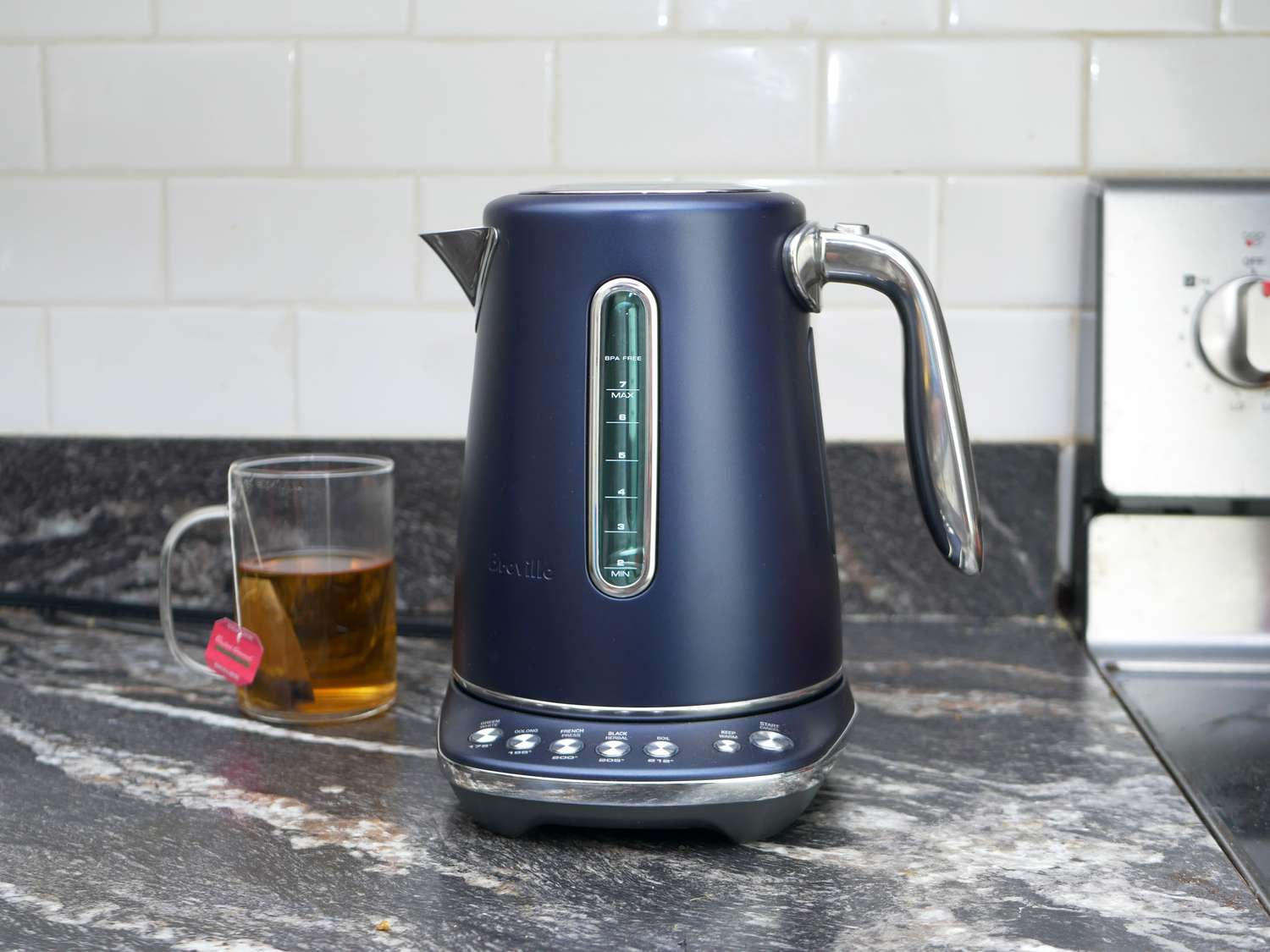
First Things First: Is the Heating Element Really the Problem?
Before you start hunting for spare parts, let’s play detective. Sometimes, the issue is simpler than a complete component failure. A dead kettle doesn’t always mean a dead heating element.
Here’s a quick checklist to run through:
- Check the Power Source: Is the outlet working? Plug in another appliance to be sure. It sounds silly, but you’d be surprised how often this is the issue.
- Examine the Base and Cord: Look for any visible damage, fraying, or burn marks on the power cord and the connector on the base.
- The Automatic Shut-off Switch: Some kettles have a thermal fuse or a switch that can fail. If the kettle’s light turns on but it doesn’t heat, this could be the problem.
- Limescale Buildup: In extreme cases, a thick layer of limescale can insulate the heating element, causing it to overheat and fail. If your kettle has been performing poorly for a while, this might be a contributing factor.
If you’ve checked all of the above and you’re still getting nothing, the heating element is the most likely suspect. For those with a multimeter, you can perform a continuity test on the element’s terminals (with the kettle unplugged, of course!). No continuity means the element is broken.
To Fix or Not to Fix? The Big Question
This is the real heart of the matter. Just because you can learn how to replace kettle heating element doesn’t always mean you should. You need to weigh the pros and cons carefully.
When Repairing Makes Sense
- High-End Kettles: If you’ve invested in a premium model, like a high-quality gooseneck kettle or a sophisticated variable temperature kettle, a repair is often cost-effective. The cost of a new element will be a fraction of the price of a brand-new unit.
- Sentimental Value: Maybe it was a gift, or it just fits your kitchen aesthetic perfectly. Sometimes, a kettle is more than just an appliance.
- Environmental Concerns: Repairing is almost always the greener choice. It keeps one more appliance out of the landfill.
When Buying New is the Smarter Move
- Basic, Inexpensive Models: If your kettle cost less than $30, the cost of a replacement element plus the shipping and your time will likely be more than simply buying a new one.
- Safety Concerns: If the kettle’s body, handle, or base is cracked or damaged, don’t risk it. Water and electricity are a dangerous mix.
- Sealed Unit Design: This is the most common scenario today. Many modern kettles, especially plastic and some stainless steel models, are designed as sealed units. The heating element is integrated and not meant to be user-replaceable. Attempting to open these can permanently damage the kettle.
As appliance design engineer James Peterson notes, “Manufacturers have moved towards concealed, integrated elements primarily for safety and descaling efficiency. While this enhances the product’s lifespan and performance, it often makes component-level repairs impractical for the average consumer. The seal that keeps water away from the electronics is critical, and once it’s broken, it’s very difficult to restore safely.”
A Step-by-Step Guide on How to Replace Kettle Heating Element
Disclaimer: This is a general guide. The process can vary significantly between models. Working with electrical appliances carries inherent risks. Always unplug the appliance before you begin and ensure it is completely dry. If you are not comfortable with these steps, consult a professional.
Step 1: Gather Your Tools and Parts
You’ll need a few basic tools:
- A set of screwdrivers (both Phillips and flathead)
- Pliers or a small wrench
- A replacement heating element (This is the tricky part. You need to find the exact model for your kettle, which can be difficult for older or obscure brands.)
- A multimeter (optional, but recommended for diagnosis)
Step 2: Access the Kettle’s Internals
- Unplug the kettle and empty any water. Let it cool down completely.
- Turn the kettle upside down. You will likely see several screws holding the bottom plastic or metal plate in place.
- Carefully remove these screws and set them aside in a safe place.
- Gently pry off the bottom cover. You should now have access to the internal wiring and the base of the heating element.
Step 3: Disconnect the Old Element
- Take a picture! Before you disconnect anything, take a clear photo of the wiring with your phone. This will be your roadmap for reassembly.
- The heating element will have two or three terminals with wires connected to them.
- Carefully disconnect these wires. They may be attached with spade connectors that you can pull off, or they might be secured with small nuts or screws.
- The element itself is usually held in place by a large central nut or several smaller screws. Using your wrench or pliers, loosen and remove this fastener.
Step 4: Install the New Element
- Check that the new element has a rubber or silicone gasket. This is crucial for creating a waterproof seal. Ensure it’s seated correctly.
- Insert the new heating element into the hole, making sure it’s oriented correctly.
- Secure it with the nut or screws you removed earlier. Tighten it firmly to ensure a good seal, but don’t overtighten and crack the plastic or strip the threads. It should be snug and secure.
- Referring to the photo you took, reconnect the wires to the correct terminals on the new element. Ensure the connections are tight.
Step 5: Reassemble and Test
- Tuck the wires back in neatly, making sure none are pinched.
- Replace the bottom cover and secure it with the screws.
- The Leak Test: Before you even think about plugging it in, fill the kettle with a small amount of cold water and let it sit on a paper towel for 10-15 minutes. Check carefully for any drips or leaks from the base. If it leaks, you must disassemble and fix the seal. Do not proceed if it leaks.
- The Power Test: If it’s bone dry, plug it in and switch it on. Listen for the familiar heating sound. If it works and shuts off correctly, you’ve successfully learned how to replace kettle heating element.
|
Our Picks for the Best Electric Kettle in 2026
As an Amazon Associate, we earn from qualifying purchases.
|
||
| Num | Product | Action |
|---|---|---|
| 1 | Cuisinart 1.7-Liter Stainless Steel Cordless Electric Kettle with 6 Preset Temperatures |

|
| 2 | OVENTE Electric Kettle, 1.5L Borosilicate Glass Countertop Water Heater and Boiler for Coffee or Tea, BPA-Free, Auto Shut-Off, Boil-Dry Protection, Removable and Washable Spout Filter, Black KG83B |
|
| 3 | Amazon Basics Electric Stainless Steel Kettle for Tea and Coffee, BPA-Free, Fast Boiling, Auto Shut-Off, 1.1 Quarts, 1500W, Black and Silver |
|
| 4 | Chefman Electric Kettle, 1.8L 1500W, Hot Water Boiler, Removable Lid for Easy Cleaning, Auto Shut Off, Boil-Dry Protection, Stainless Steel Filter, BPA Free, Borosilicate Glass Electric Tea Kettle |
|
| 5 | OVENTE Electric Kettle, 1.5L Borosilicate Glass Countertop Water Heater and Boiler for Coffee or Tea, BPA-Free, Auto Shut-Off, Boil-Dry Protection, Removable and Washable Spout Filter, Black KG83B |
|
| 6 | Chefman Electric Kettle with Tea Infuser, 1L 1500W, Removable Lid for Easy Cleaning, Boil-Dry Protection, Stainless Steel Filter, BPA Free, Auto Shut Off Hot Water Boiler, Small Electric Tea Kettle |
|
| 7 | Amazon Basics Electric Kettle with Glass Carafe for Tea and Coffee, BPA-Free, Fast Boiling, Auto Shut-Off, 1.8 Quarts, 1500W, Black and Silver |
|
| 8 | Cosori Electric Kettle, No Plastic Filter & Spout, 1.7L Tea Kettle & Hot Water Boiler For Coffee & Tea, Water Heater & Teapot, Automatic Shut Off, Borosilicate glass, Black, 1500W |
|
| 9 | Chefman Electric Kettle, 1.8L 1500W, Hot Water Boiler, Removable Lid for Easy Cleaning, Auto Shut Off, Boil-Dry Protection, Stainless Steel Filter, BPA Free, Borosilicate Glass Electric Tea Kettle |
|
| 10 | Chefman Electric Kettle with Temperature Control, 5 Presets LED Indicator Lights, Removable Tea Infuser, Glass Tea Kettle & Hot Water Boiler, 360° Swivel Base, BPA Free, Stainless Steel, 1.8 Liters |
|
Is an Upgrade a Better Option? What’s New in the World of Kettles?
If you’ve decided the repair is too much hassle or your kettle is a sealed unit, it’s a great opportunity to see what you’ve been missing. The world of water boilers has evolved!
| Feature | What It Does | Why You Might Want It |
|---|---|---|
| Variable Temperature Control | Allows you to heat water to specific temperatures (e.g., 175°F for green tea, 200°F for French press coffee). | Unlocks the true flavor of different beverages. A must-have for tea and coffee connoisseurs. |
| Keep Warm Function | Maintains the water at your desired temperature for a set period (usually 30-60 minutes). | Perfect for busy mornings or when you want a second cup without re-boiling. |
| Gooseneck Spout | A long, thin spout that offers precise, controlled pouring. | Essential for pour-over coffee methods like Chemex or V60. |
| Material Upgrade | Moving from an old plastic model to borosilicate glass or 100% stainless steel. | Better taste (no plastic leeching), easier to clean, and often more durable. |
Thinking about a new purchase? Check out our breakdown of the best electric kettles of the year to find the perfect match for your needs.
Frequently Asked Questions (FAQ)
Q: How do I know if my kettle’s heating element is concealed or exposed?
A: An exposed element is a metal coil you can see and touch inside the kettle. A concealed element is hidden beneath a flat, metal floor inside the kettle. The vast majority of modern kettles have concealed elements, which are much harder, if not impossible, to replace.
Q: Can I use a heating element from a different brand?
A: It is highly discouraged. Heating elements are designed with specific wattage, voltage, and physical dimensions for each model. Using an incompatible part is a serious fire and electrical hazard. Always source the exact part number for your kettle.
Q: How much does a replacement kettle heating element cost?
A: The cost varies wildly. For some brands where parts are available, an element might cost between $15 and $40. For premium or specialized kettles, it could be more. You’ll need to factor in shipping costs as well.
Q: What is the most common cause of heating element failure?
A: Limescale buildup is the number one enemy. The mineral deposits act as an insulator, forcing the element to work harder and overheat, which drastically shortens its lifespan. Regular descaling is the best preventative maintenance you can do. Our guide on how to descale your kettle properly can help.
Q: Is it safe to repair an electric kettle myself?
A: It can be, but only if you are confident in your abilities and follow safety precautions to the letter. Water and electricity are a lethal combination. If you have any doubt, it’s safer to either consult a professional repair service or purchase a new kettle.
Final Thoughts
Mastering how to replace kettle heating element can be a rewarding and money-saving skill, especially for those with a beloved, high-quality appliance. It’s a small victory for your wallet and the planet. However, it’s not a one-size-fits-all solution. For many modern, sealed-unit kettles, the most practical and safe decision is to invest in a new one. By weighing the cost, safety, and your own DIY comfort level, you can make the right choice and get back to enjoying that perfect, restorative hot beverage that starts your day off right.