Let’s be honest, we’ve all been there. It’s a chilly evening, you’re craving a creamy hot chocolate or a frothy latte, and the big pot on the stove feels like too much effort. Your trusty electric kettle is sitting right there, looking so convenient. The question pops into your head: can I learn how to heat milk in an electric kettle? It seems like a simple hack, but the answer is a little more complicated than a simple yes or no.
As a die-hard fan of kitchen gadgets that make life easier, I’ve seen my fair share of appliance mishaps. And trust me, putting milk in a standard water boiler can be one of them. But don’t worry, I’m here to walk you through the why, the how, and the much, much better alternatives.
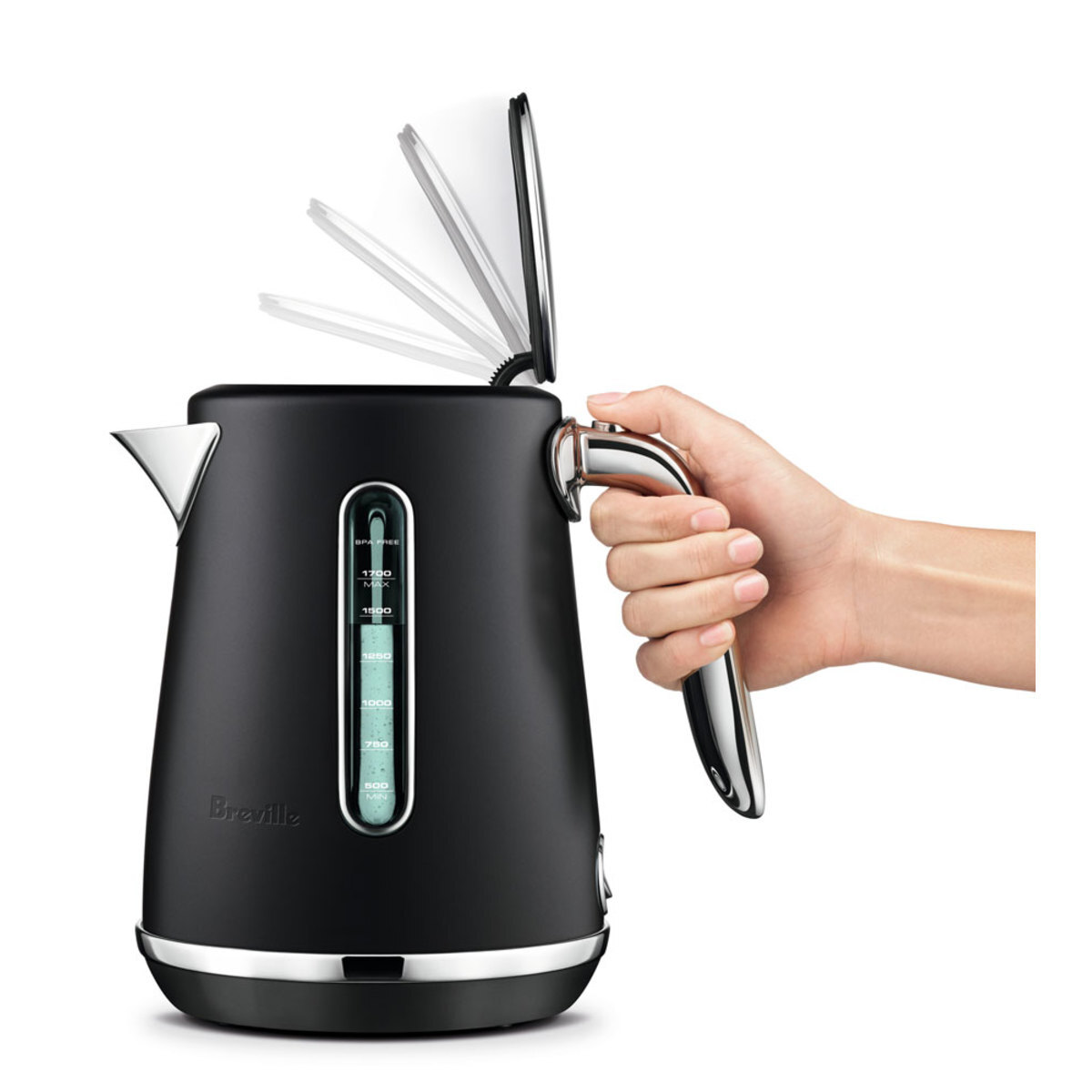
Can You Actually Heat Milk in an Electric Kettle?
The short answer is: you can, but you probably shouldn’t. Most standard electric kettles are designed with one specific job in mind: boiling water, and fast. Their powerful, exposed heating elements are engineered to bring H2O to a rolling boil in minutes, which is fantastic for tea or coffee, but terrible for milk.
Here’s the deal with why it’s such a risky move:
- The Scorch Factor: Milk contains proteins and sugars (lactose) that water doesn’t. When these come into direct contact with the high, concentrated heat of a kettle’s element, they burn almost instantly. This creates a nasty, brown, stuck-on film at the bottom of your kettle that is incredibly difficult to clean.
- The Boil-Over Nightmare: Milk also has a higher fat content, which causes it to foam up and expand dramatically when heated. Unlike water, it doesn’t just bubble; it creates a rapidly rising froth that will almost certainly boil over the top of your kettle, creating a huge, sticky mess on your counter.
- Damage to Your Kettle: That burnt-on milk residue isn’t just a cleaning headache. Over time, it can insulate the heating element, forcing it to work harder and potentially leading to overheating and permanent damage. It can also clog the spout and internal sensors, especially in more advanced models.
- Lingering Odors and Flavors: Milk that has been scorched can leave a persistent burnt smell and taste inside your kettle, which will taint the flavor of your water for days to come. Nobody wants a cup of tea that tastes vaguely of burnt dairy.
The Risky Method: How to Heat Milk in an Electric Kettle (If You Absolutely Must)
Okay, so you’re in a pinch. Maybe you’re in a hotel room or a dorm and the kettle is your only option. If you’re willing to accept the risks and be extremely careful, here is the only way you should attempt it.
Disclaimer: This method is not recommended for most electric kettles and may void your warranty. Proceed with extreme caution.
- Use a Small Amount: Don’t even think about filling the kettle. Pour in only the small amount of milk you need, just enough to cover the bottom heating element but with plenty of headspace.
- Stay Present and Watchful: This is not a set-it-and-forget-it task. Do not walk away. You need to watch the milk like a hawk.
- Don’t Let It Boil: The goal is to warm the milk, not boil it. Keep your hand on the switch or button. The moment you see small bubbles forming around the edges or steam starting to rise, turn it off immediately. This will happen much faster than with water.
- Pour and Clean Immediately: As soon as it’s warm, pour the milk out. Do not let it sit in the kettle. Immediately rinse the kettle with warm water before the milk solids have a chance to cook onto the surface.
“Standard electric kettles are a marvel of efficiency for heating water. Their design focuses on rapid heat transfer through direct contact. Milk’s complex composition of proteins and fats simply isn’t compatible with this high-intensity process, leading to scorching and potential appliance damage.”
— Dr. Amelia Vance, Product Design Engineer
The Smarter, Safer Alternative: The Variable Temperature Kettle
If you’re someone who frequently enjoys drinks that require warm—not boiling—water or milk, then your world is about to change. A variable temperature kettle is the true hero of the hot beverage world.
These brilliant devices allow you to select the exact temperature you want to heat your liquid to, from a gentle 100°F (40°C) perfect for a baby’s bottle, up to a full boil for black tea.
Why a Variable Temperature Kettle is Better for Milk
- No Scorching: By setting a lower temperature, say 160°F (70°C), you can gently warm the milk without ever reaching the high heat that causes it to burn onto the heating element.
- Precise Control: You get perfectly warmed milk every time, ideal for lattes, cappuccinos, or just a comforting warm drink before bed.
- Versatility: Beyond milk, these kettles are a game-changer for coffee and tea aficionados. You can unlock the perfect flavor from delicate green teas (around 175°F / 80°C) or get the ideal temperature for your French press coffee (around 200°F / 93°C).
While you still need to be mindful and clean it right after, using a variable temperature kettle is a far safer and more effective way to warm milk than using a traditional water boiler.
|
Our Picks for the Best Electric Kettle in 2026
As an Amazon Associate, we earn from qualifying purchases.
|
||
| Num | Product | Action |
|---|---|---|
| 1 | OVENTE Electric Kettle, 1.5L Borosilicate Glass Countertop Water Heater and Boiler for Coffee or Tea, BPA-Free, Auto Shut-Off, Boil-Dry Protection, Removable and Washable Spout Filter, Black KG83B |

|
| 2 | Cuisinart 1.7-Liter Stainless Steel Cordless Electric Kettle with 6 Preset Temperatures |
|
| 3 | Chefman Electric Kettle with Temperature Control, 5 Presets LED Indicator Lights, Removable Tea Infuser, Glass Tea Kettle & Hot Water Boiler, 360° Swivel Base, BPA Free, Stainless Steel, 1.8 Liters |
|
| 4 | Amazon Basics Electric Kettle with Glass Carafe for Tea and Coffee, BPA-Free, Fast Boiling, Auto Shut-Off, 1.8 Quarts, 1500W, Black and Silver |
|
| 5 | OVENTE Electric Kettle, 1.5L Borosilicate Glass Countertop Water Heater and Boiler for Coffee or Tea, BPA-Free, Auto Shut-Off, Boil-Dry Protection, Removable and Washable Spout Filter, Black KG83B |
|
| 6 | Cosori Electric Kettle, No Plastic Filter & Spout, 1.7L Tea Kettle & Hot Water Boiler For Coffee & Tea, Water Heater & Teapot, Automatic Shut Off, Borosilicate glass, Black, 1500W |
|
| 7 | Chefman Electric Kettle, 1.8L 1500W, Hot Water Boiler, Removable Lid for Easy Cleaning, Auto Shut Off, Boil-Dry Protection, Stainless Steel Filter, BPA Free, Borosilicate Glass Electric Tea Kettle |
|
| 8 | Amazon Basics Electric Stainless Steel Kettle for Tea and Coffee, BPA-Free, Fast Boiling, Auto Shut-Off, 1.1 Quarts, 1500W, Black and Silver |
|
| 9 | Chefman Electric Kettle, 1.8L 1500W, Hot Water Boiler, Removable Lid for Easy Cleaning, Auto Shut Off, Boil-Dry Protection, Stainless Steel Filter, BPA Free, Borosilicate Glass Electric Tea Kettle |
|
| 10 | Chefman Electric Kettle with Tea Infuser, 1L 1500W, Removable Lid for Easy Cleaning, Boil-Dry Protection, Stainless Steel Filter, BPA Free, Auto Shut Off Hot Water Boiler, Small Electric Tea Kettle |
|
Heating Method Comparison
| Method | Speed | Safety | Cleaning | Best For |
|---|---|---|---|---|
| Standard Electric Kettle | Very Fast | Low (High risk of boil-over & scorching) | Very Difficult | Only boiling water |
| Variable Temp Kettle | Fast | High (With proper temperature setting) | Easy (If cleaned immediately) | Water, tea, coffee, and gently warming milk |
| Microwave | Fast | Medium (Risk of uneven heating & “hot spots”) | Easy | Quick, single servings |
| Stovetop | Slow | Medium (Requires constant stirring) | Moderate | Large quantities, traditional cooking |
How to Clean Your Kettle After a Milk Mishap
So, you tried it. And now you have a layer of what I like to call “milk-cement” on the bottom of your kettle. Don’t panic, and please, don’t take a scouring pad to it! Here’s how to fix it.
- The Soak: Fill the kettle with warm water and a good squirt of dish soap. Let it sit for at least an hour to soften the residue.
- The Vinegar Boil: Empty the soapy water. Fill the kettle with equal parts white vinegar and water. Bring this mixture to a boil (it’s okay to boil this mixture!).
- Let It Sit: After it boils, turn the kettle off and let the hot vinegar solution sit for another hour, or even overnight for really tough stains.
- Gentle Scrub & Rinse: Pour out the solution. Most of the residue should now wipe away easily with a soft sponge or cloth. For any remaining stubborn bits, make a paste of baking soda and water and gently scrub.
- Final Rinse: Rinse the kettle thoroughly with clean water two or three times to remove any lingering vinegar taste.
Frequently Asked Questions (FAQ)
Q: Can you heat milk in a stainless steel electric kettle?
A: While a stainless steel kettle is durable, the material itself doesn’t prevent the milk from burning. The problem is the high, direct heat from the element, not the kettle’s body. The same risks of scorching and boiling over apply.
Q: Does heating milk ruin an electric kettle?
A: It can. A single, carefully watched instance might be fine if you clean it immediately. But repeated attempts or a bad scorch can lead to permanent residue on the heating element, causing it to malfunction or fail over time.
Q: What is the best temperature to heat milk without boiling it?
A: The ideal temperature for warm milk for drinks like lattes or hot chocolate is between 140-160°F (60-70°C). This is hot enough to be pleasant but well below the point where it will scald or boil over. A variable temperature kettle makes hitting this target effortless.
Q: Can I make hot chocolate directly in my kettle?
A: This is not recommended for the same reasons as heating milk. The sugar and cocoa powder will burn even faster than milk alone, creating a thick, sticky mess that is a nightmare to clean and can easily damage your appliance.
Q: Is it safe to heat milk in a hotel room kettle?
A: It’s best to avoid this. Hotel kettles are often basic models, and you have no idea what has been in them before. More importantly, causing a boil-over or damaging the kettle could result in extra charges from the hotel.
The Final Word
While the idea of using one appliance for everything is tempting, learning how to heat milk in an electric kettle safely shows that it’s a task best avoided with standard models. The risks of a sticky mess, a damaged appliance, and a lingering burnt taste just aren’t worth the convenience.
Your best bet is to use the right tool for the job: a microwave, the stovetop, or better yet, upgrading to a variable temperature kettle. It’s a small investment that not only solves the milk-warming dilemma but also elevates your entire hot beverage experience. Your kettle—and your taste buds—will thank you for it.