Let’s be real for a moment. You’re standing in an aisle (or scrolling through a web page) staring at a wall of electric kettles. One is $20, another is $200. They both boil water, right? So, what gives? Welcome to the ultimate Electric Kettle Price Comparison 2025, where we’re going to break down exactly what you’re paying for. Is that fancy gooseneck kettle with Bluetooth really worth the splurge, or is a simple, no-fuss water boiler all you truly need? By the end of this guide, you’ll be able to spot the value, sidestep the gimmicks, and find the perfect kettle for your countertop and your wallet.
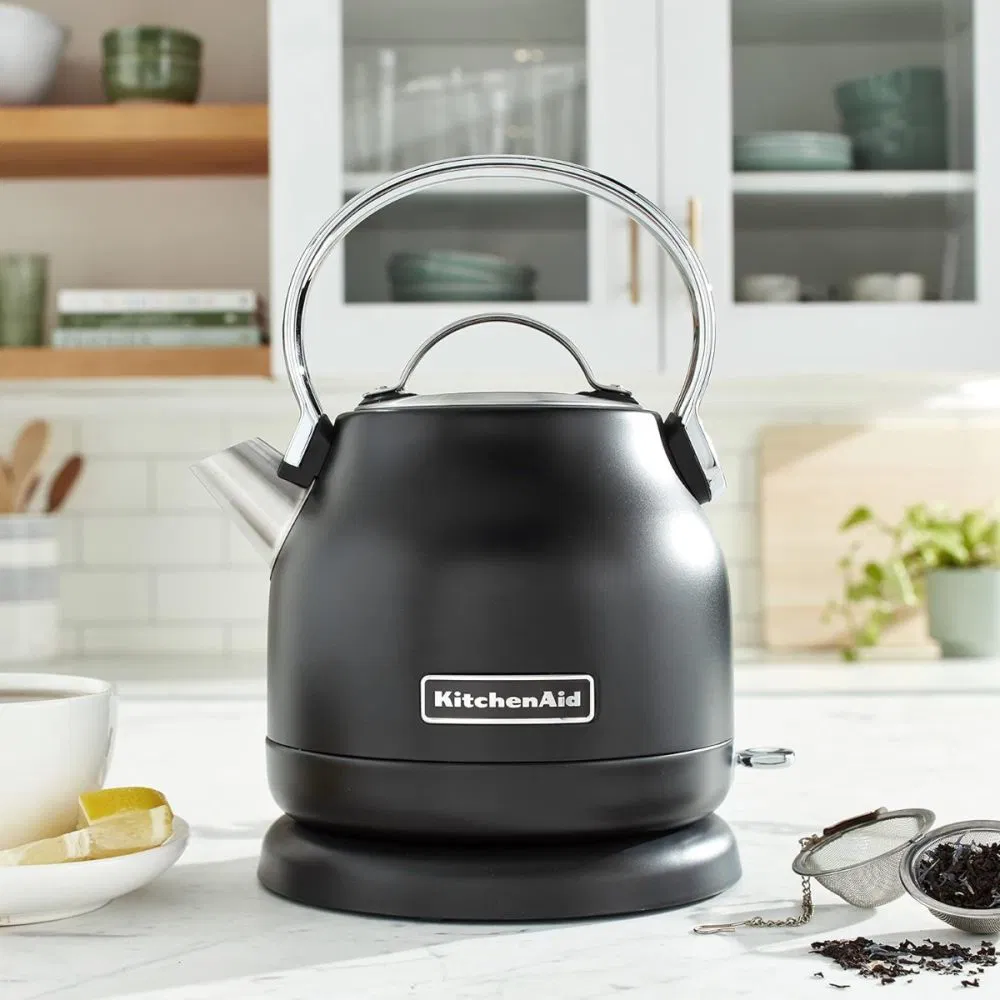
Why a Simple Kettle Isn’t So Simple Anymore
I remember my old college kettle. It was a clunky plastic thing that sounded like a 747 taking off in my tiny dorm room. Its only job was to get water hot, and it did that… eventually. Fast forward to today, and the world of electric kettles has completely transformed. What was once a basic appliance is now a sophisticated piece of kitchen tech.
The evolution has been driven by our changing tastes. We’re not just boiling water for instant coffee anymore. We’re passionate tea drinkers who know that green tea needs 175°F (80°C) water, not boiling. We’re pour-over coffee aficionados who need the precise control of a gooseneck spout. We’re design-conscious homeowners who want an appliance that looks as good as it performs. This shift has created a huge range of options, and with that, a huge range of prices.
What’s on the Menu? Types of Electric Kettles in 2025
Before we can compare prices, we need to understand what we’re comparing. Kettles today are primarily differentiated by their materials and their features.
By Material: The Great Debate
The material of your kettle affects not only its price and durability but also the taste of your water. Here’s a quick rundown:
| Material | Pros | Cons | Typical Price Range |
|---|---|---|---|
| Plastic | Lightweight, inexpensive, often comes in many colors. | Can retain odors/flavors, potential concerns about BPA, can feel less durable. | $20 – $50 |
| Stainless Steel | Durable, easy to clean, doesn’t impart flavors, classic look. | The exterior can get very hot, can be heavy. | $40 – $150+ |
| Glass | Aesthetically pleasing (watching water boil is cool!), no flavor transfer, easy to see limescale buildup. | Can be fragile, heavier than plastic, often has plastic or silicone parts. | $50 – $130 |
| Ceramic | Excellent heat retention, unique design styles, completely inert material. | Heavy, fragile, and typically slower to boil. | $60 – $100 |
“When choosing a material, always look for ‘BPA-free’ on plastic models and ‘food-grade’ or ‘304 stainless steel’ for metal options. These are industry standards that ensure no unwanted chemicals are leaching into your water. It’s a small detail that makes a big difference for your health.”
– Dr. Amelia Vance, Product Design Engineer
By Functionality: Basic vs. Brainy
This is where the price can really start to climb.
- Basic Kettles: These are your straightforward, on/off models. They click on, boil the water, and shut off. Simple, reliable, and affordable.
- Variable Temperature Kettles: A game-changer for tea and coffee lovers. These models allow you to select the exact temperature you need, preventing you from scorching delicate tea leaves or under-extracting your coffee.
- Gooseneck Kettles: Designed for pour-over coffee, the long, thin spout gives you incredible control over the flow rate and direction of your water. Most high-end gooseneck models also feature variable temperature control.
- Smart Kettles: The new kids on the block. These connect to your Wi-Fi and can be controlled via a smartphone app. You can start boiling water from your bed, set schedules, and get precise temperature updates.
Your In-Depth Electric Kettle Price Comparison 2025
Alright, let’s get to the heart of the matter. We’ve broken down the market into three main tiers to help you navigate the electric kettle price comparison 2025.
The Budget-Friendly Zone (Under $50): What Do You Get?
In this range, you’re looking at functionality over flair.
- Materials: Mostly plastic, with some basic stainless steel models available.
- Features: You’ll get the core essentials: automatic shut-off and boil-dry protection (which prevents the kettle from turning on without water). Don’t expect variable temperature or keep-warm functions here.
- Best For: Students, first-time apartment dwellers, or anyone who just needs a simple, reliable water boiler for occasional use. It gets the job done without any fuss.
The Mid-Range Sweet Spot ($50 – $120): The Best of Both Worlds?
This is where most of us will find our perfect match. The quality jumps significantly without breaking the bank.
- Materials: Predominantly high-quality, brushed stainless steel and durable borosilicate glass.
- Features: This is the entry point for variable temperature control. Many models will also include a “keep warm” function that holds the water at your desired temperature for up to an hour. You’ll also find faster boiling times thanks to more powerful heating elements.
- Best For: The daily tea or coffee drinker who appreciates the difference a specific temperature makes. If you want a durable, feature-rich kettle that will last for years, this is your sweet spot.
The Premium Tier (Over $120): Is It Worth the Splurge?
Welcome to the luxury end of the spectrum. These kettles are as much about design and precision as they are about boiling water.
- Materials: Premium 304 stainless steel, minimalist designs, and often wood or cork accents.
- Features: This is the home of precision-engineered gooseneck kettles for the coffee connoisseur. You’ll find hyper-accurate temperature control (often to the single degree), built-in timers, and smart-home connectivity. Brands like Fellow Stagg EKG and Brewista dominate this space.
- Best For: Pour-over coffee enthusiasts, serious tea aficionados, and those who view their kitchen appliances as part of their home’s decor. If your kettle is a tool for a beloved hobby, the investment here is often justified.
|
Our Picks for the Best Electric Kettle in 2026
As an Amazon Associate, we earn from qualifying purchases.
|
||
| Num | Product | Action |
|---|---|---|
| 1 | Chefman Electric Kettle with Tea Infuser, 1L 1500W, Removable Lid for Easy Cleaning, Boil-Dry Protection, Stainless Steel Filter, BPA Free, Auto Shut Off Hot Water Boiler, Small Electric Tea Kettle |

|
| 2 | Chefman Electric Kettle, 1.8L 1500W, Hot Water Boiler, Removable Lid for Easy Cleaning, Auto Shut Off, Boil-Dry Protection, Stainless Steel Filter, BPA Free, Borosilicate Glass Electric Tea Kettle |
|
| 3 | OVENTE Electric Kettle, 1.5L Borosilicate Glass Countertop Water Heater and Boiler for Coffee or Tea, BPA-Free, Auto Shut-Off, Boil-Dry Protection, Removable and Washable Spout Filter, Black KG83B |
|
| 4 | Amazon Basics Electric Stainless Steel Kettle for Tea and Coffee, BPA-Free, Fast Boiling, Auto Shut-Off, 1.1 Quarts, 1500W, Black and Silver |
|
| 5 | OVENTE Electric Kettle, 1.5L Borosilicate Glass Countertop Water Heater and Boiler for Coffee or Tea, BPA-Free, Auto Shut-Off, Boil-Dry Protection, Removable and Washable Spout Filter, Black KG83B |
|
| 6 | Cosori Electric Kettle, No Plastic Filter & Spout, 1.7L Tea Kettle & Hot Water Boiler For Coffee & Tea, Water Heater & Teapot, Automatic Shut Off, Borosilicate glass, Black, 1500W |
|
| 7 | Amazon Basics Electric Kettle with Glass Carafe for Tea and Coffee, BPA-Free, Fast Boiling, Auto Shut-Off, 1.8 Quarts, 1500W, Black and Silver |
|
| 8 | Cuisinart 1.7-Liter Stainless Steel Cordless Electric Kettle with 6 Preset Temperatures |
|
| 9 | Chefman Electric Kettle, 1.8L 1500W, Hot Water Boiler, Removable Lid for Easy Cleaning, Auto Shut Off, Boil-Dry Protection, Stainless Steel Filter, BPA Free, Borosilicate Glass Electric Tea Kettle |
|
| 10 | Chefman Electric Kettle with Temperature Control, 5 Presets LED Indicator Lights, Removable Tea Infuser, Glass Tea Kettle & Hot Water Boiler, 360° Swivel Base, BPA Free, Stainless Steel, 1.8 Liters |
|
Which Features Actually Matter in 2025?
With so many bells and whistles, what should you actually look for?
- Variable Temperature Control: Essential for anyone who drinks anything other than black tea or basic instant coffee.
- Keep Warm Function: A fantastic convenience feature. No more re-boiling water you just heated two minutes ago.
- Boil-Dry Protection & Auto Shut-Off: This is a non-negotiable safety feature. Thankfully, it’s standard on almost every kettle sold today.
- Capacity: Most kettles range from 1 to 1.7 liters. A 1.7L kettle is great for families or if you’re boiling water for cooking, while a smaller 1L model is perfect for a single person or a couple.
- Speed: Check the wattage (typically 1500W in the US). A higher wattage generally means a faster boil time. A good 1.7L kettle should boil a full pot in under 7 minutes.
How to Keep Your Kettle Happy (and Your Water Tasting Great)
You’ve invested in a great kettle; now, let’s make it last. The number one enemy is limescale—the chalky white buildup from mineral deposits in your water. It looks gross, slows down boiling, and can affect the taste.
Here’s a super simple way to descale it:
- Fill the kettle halfway with a 1:1 mixture of white vinegar and water.
- Bring it to a boil and then let it sit for at least an hour (or overnight for heavy buildup).
- Pour out the mixture and rinse the kettle thoroughly with fresh water 3-4 times.
- Boil a full kettle of fresh water and discard it to remove any lingering vinegar taste.
- Voila! Your kettle is as good as new. Do this every 1-3 months, depending on your water hardness.
Frequently Asked Questions (FAQ)
What is the best material for an electric kettle?
For a balance of durability, performance, and pure taste, food-grade stainless steel is generally considered the best all-around material. Borosilicate glass is a fantastic option if you prefer to see the water level and don’t mind a little extra fragility.
How much should I spend on a good electric kettle in 2025?
For most households, the sweet spot is between $50 and $120. This range offers excellent materials like stainless steel or glass, along with valuable features like variable temperature control, making it a worthwhile long-term investment.
Are variable temperature kettles worth the extra money?
Absolutely, if you drink green tea, white tea, oolong tea, or use a French press or pour-over for coffee. Using water at the correct temperature dramatically improves the flavor. For those who only drink black tea or use boiling water for cooking, it’s a luxury, not a necessity.
How often should I clean my electric kettle?
You should descale your kettle every 1-3 months to prevent mineral buildup, which can affect its efficiency and the taste of your water. If you live in an area with very hard water, you may need to do it more frequently.
Can an electric kettle save me money on my energy bill?
Yes, an electric kettle is significantly more energy-efficient for boiling water than a stovetop kettle or using the microwave. Because the heating element is in direct contact with the water, very little energy is wasted heating the surrounding air.
Your Perfect Kettle Awaits
Navigating the electric kettle price comparison 2025 doesn’t have to be complicated. It all comes down to your lifestyle. Don’t pay for features you’ll never use, but don’t skimp on the ones that will elevate your daily routine. Whether you’re a budget-conscious student needing a simple workhorse or a coffee aficionado seeking the pinnacle of precision, there’s a perfect kettle out there for you. Now that you’re armed with this knowledge, you can shop with confidence and find the perfect companion for your daily cup.