Finding the perfect Electric Kettle For Elderly Convenience is about so much more than just boiling water. It’s about safety, independence, and the simple, comforting ritual of a hot cup of tea or coffee. Let’s be honest, as we or our loved ones get older, things that once seemed simple, like lifting a heavy pot or remembering to turn off the stove, can become a challenge. A well-chosen electric kettle isn’t just a gadget; it’s a helping hand in the kitchen. But with so many options out there, which one is right? Don’t worry, I’m here to help you navigate the choices and find a kettle that’s safe, simple, and a joy to use.
Why an Electric Kettle is a Game-Changer for Seniors
Before we dive into the features, let’s talk about why switching from a stovetop model is one of the best moves you can make. My own grandmother used a classic stovetop whistler for years, and we were constantly worried she might forget it on the burner. The transition to an electric model was a huge relief for everyone.
Modern electric kettles, especially those designed with seniors in mind, offer peace of mind. They are faster, often more energy-efficient, and, most importantly, packed with safety features that traditional kettles simply can’t match. They empower users to maintain their daily routines safely and independently.
What Makes a Kettle ‘Elderly-Friendly’? Key Features to Look For
When you’re searching for an electric kettle for elderly convenience, a few key features move from “nice-to-have” to “absolutely essential.” Let’s break down exactly what you should be looking for.
Safety First: Non-Negotiable Features
This is, without a doubt, the most critical category. A good kettle for a senior user must be a safe kettle.
- Automatic Shut-Off: This is the big one. The kettle should automatically turn itself off the second the water reaches a boil. No exceptions. This prevents the kettle from boiling dry and becoming a fire hazard.
- Boil-Dry Protection: This feature is a lifesaver. If the kettle is accidentally turned on with no water inside, boil-dry protection will detect it and shut the unit off, preventing damage to the heating element.
- Cool-Touch Exterior: Many modern kettles are double-walled or made from specific plastics that keep the outer surface cool, even when the water inside is boiling. This dramatically reduces the risk of accidental burns from a passing touch.
Ease of Use: Making Daily Life Simpler
Convenience is all about removing small frustrations. The ideal kettle should feel intuitive and effortless.
- Lightweight Design: A full kettle can be heavy. Look for models made from lightweight materials that are easy to lift and pour, even for someone with diminished strength or arthritis. We have a great guide on [the best lightweight kettles available today].
- 360-Degree Cordless Base: This means the kettle itself isn’t tethered to a cord. You can lift it off the base from any angle and place it back on just as easily, which is a huge help for those with limited dexterity or vision.
- Clear Water Level Indicator: A large, easy-to-read water window is a must. It prevents overfilling (which can cause boiling water to spit out) and under-filling (which can trigger the boil-dry feature). Some models even have markings on both sides.
- Easy-to-Open Lid: Look for a lid that opens with a simple push of a button, rather than one that needs to be pulled off. This avoids wrestling with a hot, steamy lid and reduces the risk of spills.
Comfort and Ergonomics: A Focus on the Hands
How the kettle feels to hold and use is incredibly important. A poorly designed handle can turn a simple task into a painful one.
- Ergonomic, Non-Slip Handle: The handle should be a comfortable, closed-loop design that is easy to grip securely. A textured or rubberized finish can provide extra confidence and prevent slipping.
- Drip-Free Spout: A well-designed spout, like a “perfect pour” spout, allows for a smooth, controlled stream of water. This prevents dangerous splashes and drips of boiling water on the counter or, worse, on a person’s hand.
|
Our Picks for the Best Electric Kettle in 2026
As an Amazon Associate, we earn from qualifying purchases.
|
||
| Num | Product | Action |
|---|---|---|
| 1 | Amazon Basics Electric Stainless Steel Kettle for Tea and Coffee, BPA-Free, Fast Boiling, Auto Shut-Off, 1.1 Quarts, 1500W, Black and Silver |

|
| 2 | Chefman Electric Kettle with Tea Infuser, 1L 1500W, Removable Lid for Easy Cleaning, Boil-Dry Protection, Stainless Steel Filter, BPA Free, Auto Shut Off Hot Water Boiler, Small Electric Tea Kettle |
|
| 3 | Cosori Electric Kettle, No Plastic Filter & Spout, 1.7L Tea Kettle & Hot Water Boiler For Coffee & Tea, Water Heater & Teapot, Automatic Shut Off, Borosilicate glass, Black, 1500W |
|
| 4 | Cuisinart 1.7-Liter Stainless Steel Cordless Electric Kettle with 6 Preset Temperatures |
|
| 5 | OVENTE Electric Kettle, 1.5L Borosilicate Glass Countertop Water Heater and Boiler for Coffee or Tea, BPA-Free, Auto Shut-Off, Boil-Dry Protection, Removable and Washable Spout Filter, Black KG83B |
|
| 6 | Amazon Basics Electric Kettle with Glass Carafe for Tea and Coffee, BPA-Free, Fast Boiling, Auto Shut-Off, 1.8 Quarts, 1500W, Black and Silver |
|
| 7 | Chefman Electric Kettle, 1.8L 1500W, Hot Water Boiler, Removable Lid for Easy Cleaning, Auto Shut Off, Boil-Dry Protection, Stainless Steel Filter, BPA Free, Borosilicate Glass Electric Tea Kettle |
|
| 8 | Chefman Electric Kettle with Temperature Control, 5 Presets LED Indicator Lights, Removable Tea Infuser, Glass Tea Kettle & Hot Water Boiler, 360° Swivel Base, BPA Free, Stainless Steel, 1.8 Liters |
|
| 9 | Chefman Electric Kettle, 1.8L 1500W, Hot Water Boiler, Removable Lid for Easy Cleaning, Auto Shut Off, Boil-Dry Protection, Stainless Steel Filter, BPA Free, Borosilicate Glass Electric Tea Kettle |
|
| 10 | OVENTE Electric Kettle, 1.5L Borosilicate Glass Countertop Water Heater and Boiler for Coffee or Tea, BPA-Free, Auto Shut-Off, Boil-Dry Protection, Removable and Washable Spout Filter, Black KG83B |
|
Choosing the Right Material: A Quick Comparison
The material of your water boiler affects its weight, durability, and even the taste of the water. Here’s a quick rundown to help you decide.
| Material | Pros | Cons | Best For |
|---|---|---|---|
| Stainless Steel | Durable, doesn’t impart flavors, often has cool-touch options. | Can be heavier than plastic, exterior can get hot on single-wall models. | Someone looking for durability and a classic look. |
| Glass | You can see the water boil, doesn’t stain or hold odors. | Can be heavy and is more fragile than other materials. | Those who prioritize seeing the water level easily and a clean taste. |
| BPA-Free Plastic | Lightest weight, often most affordable, usually cool to the touch. | Can potentially stain over time, must ensure it’s BPA-free. | Hands down the best choice for weight-conscious users. |
As Dr. Eleanor Vance, an occupational therapist specializing in geriatric home safety, often says, “When choosing an appliance for an older adult, we must prioritize features that reduce physical strain and cognitive load. A lightweight, single-button electric kettle with automatic shut-off does exactly that. It supports independence by making a daily task safer and more manageable.”
How to Keep Your Kettle in Tip-Top Shape
A little maintenance goes a long way in keeping your electric tea kettle working perfectly and ensuring the water tastes fresh. The biggest enemy is limescale buildup, especially if you live in a hard water area.
- Create a Cleaning Solution: Mix equal parts white vinegar and water.
- Fill the Kettle: Fill the kettle about halfway with the solution.
- Boil and Sit: Bring the mixture to a boil, then turn the kettle off and let it sit for at least 30 minutes (or a few hours for heavy buildup).
- Rinse Thoroughly: Pour out the solution and rinse the inside of the kettle with fresh water several times to remove any lingering vinegar taste.
- Wipe the Exterior: Use a damp cloth to wipe down the outside of the kettle and the base.
Doing this simple descaling process once a month will keep your kettle performing like new. For more detailed instructions, check out our [complete guide to cleaning your electric kettle].
Frequently Asked Questions About Kettles for Seniors
What is the safest type of electric kettle for an elderly person?
The safest kettle is one with a combination of key features: automatic shut-off, boil-dry protection, and a cool-touch exterior. A lightweight model with a secure, non-slip grip also adds an important layer of safety by preventing drops and spills.
How much should a lightweight kettle weigh?
Ideally, look for an empty kettle that weighs under 3 pounds (around 1.3 kg). Plastic models are typically the lightest, but some compact stainless steel kettles also fall into this range. Always check the product specifications for the exact weight.
Are glass kettles a good choice for seniors?
While glass kettles offer great visibility, they tend to be heavier and more fragile than plastic or stainless steel models. If a user has strength or dexterity issues, a lightweight, durable BPA-free plastic or a double-walled stainless steel model is often a better and safer choice.
Is a variable temperature kettle too complicated for the elderly?
For most seniors, simplicity is best. A single-button operation is ideal. A variable temperature kettle can be great for tea aficionados, but the extra buttons and settings can be confusing. Unless the user has a specific need and is comfortable with technology, it’s best to stick to a basic, one-touch model.
Why is a gooseneck kettle generally not recommended?
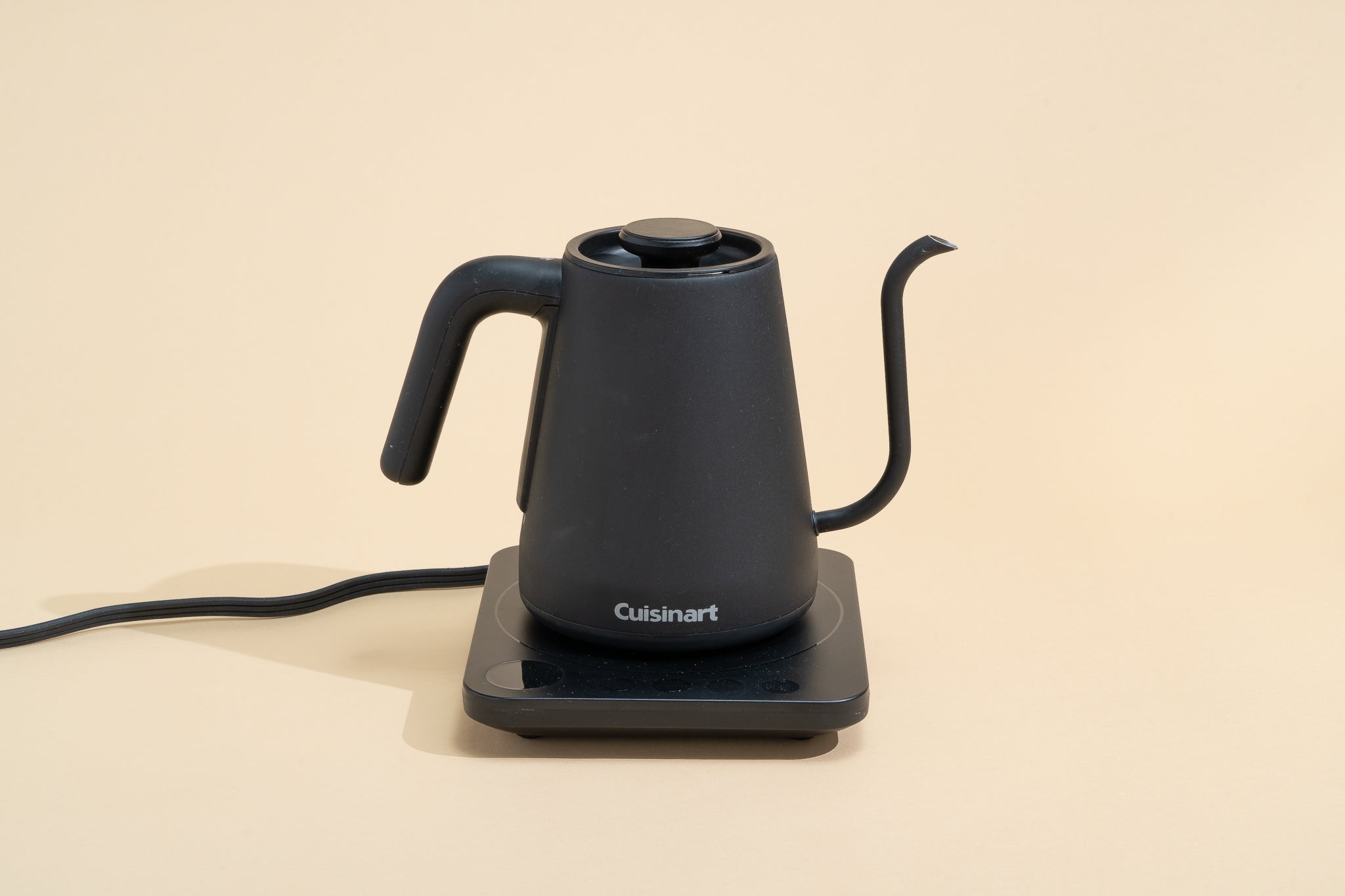
A gooseneck kettle is designed for the slow, precise pouring needed for pour-over coffee. This precision often comes at the cost of a slower pour rate and a less intuitive handle, making it less ideal for general, everyday use where speed and simplicity are preferred.
Your Perfect Cup of Tea Awaits
Choosing the best electric kettle for elderly convenience boils down to prioritizing safety, simplicity, and comfort. Forget the complicated bells and whistles. Focus on the core features that truly make a difference: automatic shut-off, a lightweight body, and an easy-to-grip handle. By investing in the right appliance, you’re not just buying a kettle; you’re providing peace of mind and supporting the cherished daily rituals that bring comfort and joy. Use this guide as your checklist, and you’ll find the perfect companion for countless cozy cups to come.