Let’s be real, we’ve all been there. It’s late, you’re hungry, and the siren song of instant noodles is calling your name. Your trusty electric kettle sits on the counter, a beacon of hope for a quick meal. The process of how to use a kettle for instant noodles seems almost laughably simple, right? Boil water, pour, wait. But what if I told you there’s an art to it? That the journey from a dry noodle block to a perfect, steaming bowl of comfort can be elevated? As the resident kettle geek at Electric Kettle Best, I’m here to show you that your humble water boiler is more than just an on/off switch—it’s the key to noodle nirvana.
Why Your Electric Kettle is a Noodle Game-Changer
Before we dive into the “how,” let’s talk about the “why.” You could use the microwave or a pot on the stove, so what makes an electric kettle the superior choice?
- Speed: Modern electric kettles are lightning-fast. A good one can bring water to a rolling boil in just a few minutes, significantly faster than a microwave or a stovetop pot. When hunger strikes, every second counts.
- Energy Efficiency: Kettles are designed for one job: boiling water efficiently. They use less energy than a microwave or an electric stove for the same task, making them a greener and more budget-friendly option.
- Precision: As we’ll explore, advanced models offer temperature control. This might sound like overkill for instant ramen, but it opens up a world of possibilities for different types of noodles and broths that are best prepared just under a full boil.
- Simplicity and Safety: No watching a pot to make sure it doesn’t boil over. Most kettles have an automatic shut-off feature, meaning you can flip the switch and walk away without a second thought. It’s the safest way to get your boiling water fix.
How to Use a Kettle for Instant Noodles Like a Pro
Alright, let’s get down to business. You’ve got your noodle packet and your kettle. Here’s the step-by-step process for a flawless result every time.
- Check Your Kettle’s Interior: Give it a quick peek inside. You want to make sure it’s clean and free of any limescale buildup. A clean kettle means clean-tasting water. (We’ll cover cleaning later!)
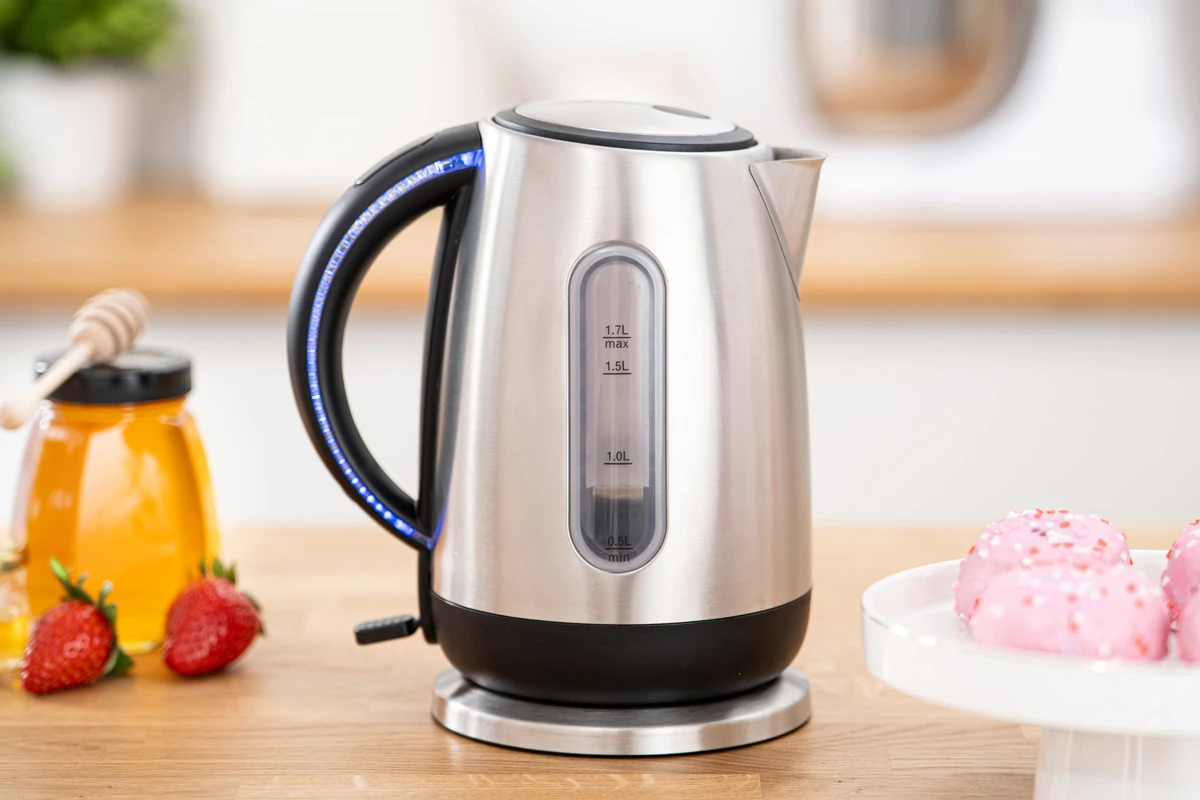
- Fill with Fresh, Cold Water: For the best taste, always start with fresh, cold water. Avoid re-boiling water that’s been sitting in the kettle, as it can have a flat taste. Fill it just enough for your noodles—most single-serving noodle bowls need about 400-500ml (around 2 cups). Don’t overfill past the ‘MAX’ line.
- Place it on the Base and Boil: Secure the lid, place the kettle on its power base, and hit the switch. Now, sit back and marvel at the speed. This is a good time to open your noodle packet and get your bowl ready.
- Prepare Your Bowl: Empty the noodle block and all the seasoning and vegetable packets into your bowl. This ensures everything gets evenly hydrated and mixed when you add the water.
- The Perfect Pour: As soon as the kettle clicks off, it’s go-time. Carefully pick it up and pour the boiling water directly over the noodles. Pour slowly and evenly to ensure all the noodles and seasoning get saturated. Fill it until the noodles are just covered.
- Cover and Wait: Place a small plate, a lid, or even the noodle packet’s cardboard lid over the bowl to trap the steam. This is the crucial cooking phase. Let it sit for the time recommended on the package, usually 3-5 minutes.
- Stir and Savor: Uncover the bowl (careful, the steam is hot!), give everything a good stir to mix the broth, and enjoy your perfectly cooked instant noodles.
Not All Kettles Are Created Equal: Choosing Your Noodle Companion
While any basic kettle can get the job done, understanding the options can seriously upgrade your kitchen game. If you’re in the market for a new one, here’s what to look for.
Material Matters: The Big Three
The material of your kettle affects its durability, taste, and appearance.
| Material | Pros | Cons | Best For |
|---|---|---|---|
| Stainless Steel | Durable, easy to clean, doesn’t impart flavors. | Can get hot to the touch on the outside. | The all-around workhorse; a reliable choice for daily use. |
| Glass | Aesthetically pleasing (watching water boil is cool!), no taste transfer. | More fragile than steel, can show mineral deposits easily. | Those who prioritize aesthetics and purity of taste. |
| BPA-Free Plastic | Lightweight, affordable, cool to the touch. | Can potentially stain or retain odors over time. | Budget-conscious users and those who prioritize a lightweight design. |
“The single most important factor for water purity in a kettle is the material it’s made from. Always opt for food-grade 304 stainless steel or borosilicate glass. For plastic models, ensuring they are certified BPA-free is non-negotiable for your health and peace of mind.”
— Dr. Aris Thorne, Materials Engineer
Feature Focus: Beyond Just Boiling
Modern tea kettles come packed with features that can make life easier.
- Variable Temperature Control: This is the MVP feature. While instant noodles love a full 100°C (212°F) boil, delicate green teas brew best around 80°C (175°F), and coffee is perfect around 93°C (200°F). A variable temp kettle turns your device into a multi-purpose beverage station.
- Keep Warm Function: This feature holds the water at your desired temperature for a period (usually 30-60 minutes). Perfect for when you get distracted or want a second cup without re-boiling.
- Gooseneck Spout: While primarily for pour-over coffee enthusiasts, a gooseneck kettle offers incredible pouring precision. It might be overkill for instant noodles, but it’s a dream for any other hot water needs.
|
Our Picks for the Best Electric Kettle in 2026
As an Amazon Associate, we earn from qualifying purchases.
|
||
| Num | Product | Action |
|---|---|---|
| 1 | OVENTE Electric Kettle, 1.5L Borosilicate Glass Countertop Water Heater and Boiler for Coffee or Tea, BPA-Free, Auto Shut-Off, Boil-Dry Protection, Removable and Washable Spout Filter, Black KG83B |

|
| 2 | Cuisinart 1.7-Liter Stainless Steel Cordless Electric Kettle with 6 Preset Temperatures |
|
| 3 | Chefman Electric Kettle, 1.8L 1500W, Hot Water Boiler, Removable Lid for Easy Cleaning, Auto Shut Off, Boil-Dry Protection, Stainless Steel Filter, BPA Free, Borosilicate Glass Electric Tea Kettle |
|
| 4 | Amazon Basics Electric Kettle with Glass Carafe for Tea and Coffee, BPA-Free, Fast Boiling, Auto Shut-Off, 1.8 Quarts, 1500W, Black and Silver |
|
| 5 | Chefman Electric Kettle with Temperature Control, 5 Presets LED Indicator Lights, Removable Tea Infuser, Glass Tea Kettle & Hot Water Boiler, 360° Swivel Base, BPA Free, Stainless Steel, 1.8 Liters |
|
| 6 | Chefman Electric Kettle with Tea Infuser, 1L 1500W, Removable Lid for Easy Cleaning, Boil-Dry Protection, Stainless Steel Filter, BPA Free, Auto Shut Off Hot Water Boiler, Small Electric Tea Kettle |
|
| 7 | Amazon Basics Electric Stainless Steel Kettle for Tea and Coffee, BPA-Free, Fast Boiling, Auto Shut-Off, 1.1 Quarts, 1500W, Black and Silver |
|
| 8 | Cosori Electric Kettle, No Plastic Filter & Spout, 1.7L Tea Kettle & Hot Water Boiler For Coffee & Tea, Water Heater & Teapot, Automatic Shut Off, Borosilicate glass, Black, 1500W |
|
| 9 | Chefman Electric Kettle, 1.8L 1500W, Hot Water Boiler, Removable Lid for Easy Cleaning, Auto Shut Off, Boil-Dry Protection, Stainless Steel Filter, BPA Free, Borosilicate Glass Electric Tea Kettle |
|
| 10 | OVENTE Electric Kettle, 1.5L Borosilicate Glass Countertop Water Heater and Boiler for Coffee or Tea, BPA-Free, Auto Shut-Off, Boil-Dry Protection, Removable and Washable Spout Filter, Black KG83B |
|
Keeping Your Kettle in Tip-Top Shape
To keep your water tasting pure and your kettle running efficiently, you need to show it some love. The main enemy is limescale—the chalky white mineral deposit that builds up from hard water.
How to Descale Your Kettle (The Easy Way)
- Create the Cleaning Solution: Fill the kettle halfway with a 1-to-1 solution of white vinegar and water. If you don’t have vinegar, the juice of one lemon or a tablespoon of citric acid will also work wonders.
- Let it Boil: Bring the solution to a boil. Once it clicks off, unplug the kettle and let it sit for at least an hour. For really stubborn scale, you can let it sit overnight.
- Empty and Rinse: Pour out the cleaning solution. You should see the scale has dissolved. Rinse the kettle thoroughly with fresh water 3-4 times to remove any lingering vinegar taste.
- Do a Final Boil: Fill the kettle with fresh water, boil it once more, and discard the water. This ensures any remaining aftertaste is completely gone. Your kettle is now as good as new!
Beyond the Noodle Bowl: Creative Kettle Hacks
Your electric kettle is far more versatile than you think. Here are a few other things you can do with that perfectly boiled water:
- Instant Oatmeal or Grits: A quick and hearty breakfast.
- Rehydrating Dried Foods: Perfect for couscous, dried mushrooms, or sun-dried tomatoes.
- Making Jell-O or Instant Pudding: A simple way to whip up a quick dessert.
- French Press Coffee or Tea: The most classic use outside of noodles!
Frequently Asked Questions (FAQ)
Q: Can you cook the noodles directly inside the kettle?
A: Absolutely not. Electric kettles are designed only for heating water. Cooking food inside can damage the heating element, create a fire hazard, and make it nearly impossible to clean properly. Stick to using a bowl.
Q: Is a variable temperature kettle worth it just for instant noodles?
A: For noodles alone, probably not. But if you also drink tea, coffee, or enjoy other instant foods, a variable temperature kettle is a fantastic investment that gives you precise control for a noticeably better result across the board.
Q: How often should I clean or descale my kettle?
A: This depends on your water hardness. In areas with hard water, you might need to descale every month. In areas with soft water, every 3-4 months should suffice. A good rule of thumb is to clean it as soon as you see visible white deposits forming.
Q: Why does my water taste funny after using my new kettle?
A: This is common with new kettles, especially plastic ones. It’s usually a residual taste from the manufacturing process. To fix it, boil a full kettle of water with a couple of tablespoons of white vinegar or lemon juice, discard the water, and then rinse and boil with fresh water once or twice more.
Q: What’s the difference between a tea kettle and a water boiler?
A: The terms are often used interchangeably. “Tea kettle” is a more traditional term, often associated with stovetop models, while “electric kettle” or “water boiler” are more modern terms for the electric appliance. Functionally, for our purposes, they mean the same thing.
Your Noodle Adventure Awaits
So there you have it. The humble act of how to use a kettle for instant noodles is your gateway to a world of speed, efficiency, and culinary potential. By choosing the right kettle for your needs and keeping it in great condition, you’re not just buying an appliance; you’re investing in countless perfect meals and beverages. Now go forth, boil with confidence, and enjoy that well-deserved, perfectly prepared bowl of noodles.