Let’s be honest, your electric kettle is probably the unsung hero of your kitchen counter. It’s reliable, fast, and always there for your morning tea or coffee. But what if I told you that trusty appliance is capable of so much more? We’re about to explore the best drinks to make with an electric kettle, transforming it from a simple water boiler into your go-to gadget for a world of delicious beverages.
Did you ever think your kettle could whip up a decadent hot chocolate or a soothing, spiced cider? It absolutely can. As a home appliance enthusiast who has tested more kettles than I can count—from basic models to high-tech goosenecks—I’ve discovered that the right kettle isn’t just about boiling water; it’s about unlocking potential. So, grab your mug, and let’s dive into how you can get the most out of this countertop powerhouse.
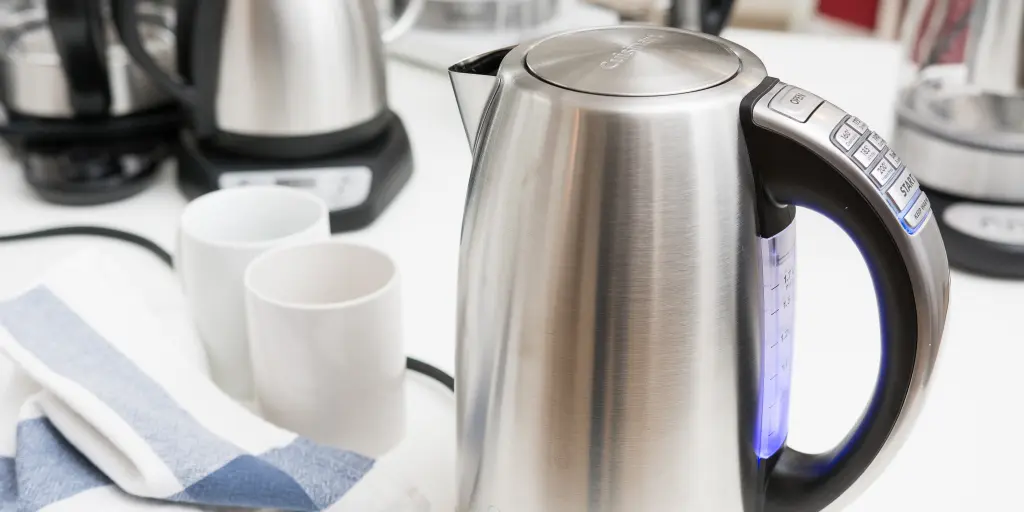
The Classics, Mastered
Before we get adventurous, let’s ensure we’re nailing the basics. Using an electric kettle correctly can dramatically improve the taste of your daily favorites. It’s all about the temperature, and this is where a modern kettle truly shines.
Perfecting Your Tea Game
Not all teas are created equal, and they certainly don’t all appreciate being scorched with 212°F (100°C) water. This is where a variable temperature kettle becomes a game-changer. Using water that’s too hot can burn delicate tea leaves, resulting in a bitter, astringent taste.
- Black Teas & Herbal Infusions: These are robust and can handle the heat. Go for a full boil, around 208-212°F (98-100°C).
- Green & White Teas: These are far more delicate. Using boiling water will cook the leaves. Aim for a much lower temperature, typically between 170-185°F (77-85°C). You’ll be amazed at the smooth, nuanced flavors you’ve been missing.
- Oolong Teas: These fall somewhere in the middle, generally preferring water between 185-205°F (85-96°C).
My old, single-button kettle treated every tea the same. The day I upgraded to a variable temperature model, my morning green tea went from a bitter chore to a delightful ritual. It was a revelation.
Elevating Instant Coffee
Okay, I see you, coffee purists. But for many, instant coffee is a convenient reality. The good news? You can make it significantly better. The biggest mistake people make is pouring boiling water directly onto the coffee granules, which scorches them.
Pro Tip: Heat your water to just off the boil, around 200°F (93°C). Pour a small amount into your mug to create a thick paste with the coffee granules. Stir for a few seconds to “bloom” the coffee, then slowly add the rest of the hot water. It creates a smoother, richer cup.
Beyond the Brew: More Best Drinks to Make with an Electric Kettle
Now for the fun part. Your electric kettle is essentially a rapid hot water dispenser, opening up a whole menu of possibilities. Here are some of the best drinks to make with an electric kettle that go beyond tea and coffee.
Decadent Hot Chocolate & Mochas
Forget the microwave. For a lump-free, perfectly mixed hot chocolate, your kettle is your best friend.
- Heat the Water: Bring water to a near boil in your kettle.
- Make the Base: Add your favorite hot chocolate powder (and a spoonful of instant coffee for a mocha) to your mug.
- Create a Paste: Pour just enough hot water to cover the powder and mix vigorously until you have a smooth, thick chocolatey syrup.
- Top it Off: Slowly pour in the rest of the hot water, stirring continuously. Add a splash of milk or cream for extra richness.
Comforting Broths and Instant Soups
When you’re feeling under the weather or just need a quick, savory fix, your kettle has your back. Simply boil water and pour it over a bouillon cube, soup powder, or miso paste. In less than two minutes, you have a comforting, warm broth to sip on. It’s also perfect for rehydrating instant noodle cups.
Spiced Apple Cider & Mulled Drinks
This one feels like a cheat code for a cozy evening. You’re not actually brewing the cider in the kettle, but you’re using it to create a perfect instant infusion.
- What You Need: A mug, a high-quality apple cider or grape juice concentrate packet (or powder), and a mulling spice tea bag (or a cinnamon stick and a star anise).
- How to Make It: Place the concentrate and spices in your mug. Boil water in your kettle and pour it over the contents. Let it steep for 3-5 minutes, and you have a beautifully fragrant warm drink without simmering a pot for hours.
|
Our Picks for the Best Electric Kettle in 2026
As an Amazon Associate, we earn from qualifying purchases.
|
||
| Num | Product | Action |
|---|---|---|
| 1 | Cosori Electric Kettle, No Plastic Filter & Spout, 1.7L Tea Kettle & Hot Water Boiler For Coffee & Tea, Water Heater & Teapot, Automatic Shut Off, Borosilicate glass, Black, 1500W |

|
| 2 | Amazon Basics Electric Kettle with Glass Carafe for Tea and Coffee, BPA-Free, Fast Boiling, Auto Shut-Off, 1.8 Quarts, 1500W, Black and Silver |
|
| 3 | Cuisinart 1.7-Liter Stainless Steel Cordless Electric Kettle with 6 Preset Temperatures |
|
| 4 | OVENTE Electric Kettle, 1.5L Borosilicate Glass Countertop Water Heater and Boiler for Coffee or Tea, BPA-Free, Auto Shut-Off, Boil-Dry Protection, Removable and Washable Spout Filter, Black KG83B |
|
| 5 | Chefman Electric Kettle, 1.8L 1500W, Hot Water Boiler, Removable Lid for Easy Cleaning, Auto Shut Off, Boil-Dry Protection, Stainless Steel Filter, BPA Free, Borosilicate Glass Electric Tea Kettle |
|
| 6 | Amazon Basics Electric Stainless Steel Kettle for Tea and Coffee, BPA-Free, Fast Boiling, Auto Shut-Off, 1.1 Quarts, 1500W, Black and Silver |
|
| 7 | Chefman Electric Kettle, 1.8L 1500W, Hot Water Boiler, Removable Lid for Easy Cleaning, Auto Shut Off, Boil-Dry Protection, Stainless Steel Filter, BPA Free, Borosilicate Glass Electric Tea Kettle |
|
| 8 | Chefman Electric Kettle with Tea Infuser, 1L 1500W, Removable Lid for Easy Cleaning, Boil-Dry Protection, Stainless Steel Filter, BPA Free, Auto Shut Off Hot Water Boiler, Small Electric Tea Kettle |
|
| 9 | OVENTE Electric Kettle, 1.5L Borosilicate Glass Countertop Water Heater and Boiler for Coffee or Tea, BPA-Free, Auto Shut-Off, Boil-Dry Protection, Removable and Washable Spout Filter, Black KG83B |
|
| 10 | Chefman Electric Kettle with Temperature Control, 5 Presets LED Indicator Lights, Removable Tea Infuser, Glass Tea Kettle & Hot Water Boiler, 360° Swivel Base, BPA Free, Stainless Steel, 1.8 Liters |
|
Why Your Kettle Choice Matters for Making the Best Drinks
As you can see, the type of electric kettle you own can greatly expand your beverage repertoire. If you’re looking to upgrade or buy your first one, here’s what you need to know.
What is a variable temperature kettle?
A variable temperature kettle is an electric kettle that allows you to select a specific water temperature, rather than just boiling it. It’s an essential tool for anyone serious about tea or pour-over coffee, as it gives you precise control to extract the best possible flavor from your ingredients.
The Gooseneck Kettle: Precision for Pour-Over Fans
If you’re a pour-over coffee aficionado, you already know. For everyone else, a gooseneck kettle has a long, narrow spout that provides incredible control over the flow rate and direction of your water. This precision is key for evenly saturating coffee grounds, leading to a balanced and superior brew. It’s a specialized tool, but for coffee lovers, it’s indispensable.
Material Matters: Stainless Steel, Glass, or Plastic?
The material of your water boiler affects not only its appearance and durability but also the taste of your water.
| Material | Pros | Cons |
|---|---|---|
| Stainless Steel | Durable, easy to clean, doesn’t impart flavors. | Can get hot to the touch, exterior may show fingerprints. |
| Glass | Aesthetically pleasing, easy to see water level and mineral buildup. | Can be more fragile, may have plastic or silicone parts. |
| Plastic | Lightweight, inexpensive, cool-touch exterior. | Can potentially impart a plastic taste, look for BPA-free models. |
According to product design engineer Dr. Amelia Vance, “When choosing a kettle, always prioritize food-grade materials. A 304 or 316 stainless steel interior is the gold standard for purity and longevity, ensuring your water tastes clean every single time.”
Pro Tips for Kettle Care and Maintenance
To keep your kettle in top shape and your drinks tasting fresh, regular cleaning is a must. Limescale buildup from hard water can slow down heating and affect taste.
How to Descale Your Electric Kettle
- Create a Solution: Fill the kettle halfway with a 1-to-1 solution of white vinegar and water.
- Boil It: Bring the solution to a boil. If your kettle has heavy scaling, let it sit for 15-20 minutes after boiling.
- Rinse Thoroughly: Pour out the solution and rinse the inside of the kettle with fresh water 4-5 times to remove any lingering vinegar smell or taste.
- Final Boil: Fill the kettle with fresh water, boil it one more time, and discard the water. Your kettle is now pristine and ready to go!
Frequently Asked Questions (FAQ)
Q: Can you put milk in an electric kettle?
A: No, you should never put milk or any liquid other than water in a standard electric kettle. It will scorch, stick to the heating element, and is extremely difficult to clean. It can also permanently damage the appliance.
Q: What is the best water temperature for green tea?
A: The ideal temperature for most green teas is between 175°F and 185°F (80°C to 85°C). Boiling water will burn the delicate leaves, resulting in a bitter taste. A variable temperature kettle is perfect for achieving this.
Q: How often should I clean my water boiler?
A: This depends on the hardness of your water. As a general rule, it’s a good idea to descale your kettle every one to two months. If you notice visible white flakes or a chalky buildup, it’s time for a cleaning.
Q: Is it cheaper to use an electric kettle than a stove?
A: Yes, in most cases. Electric kettles are highly efficient and are designed specifically to boil water quickly. They transfer heat directly to the water, whereas a stovetop kettle loses a significant amount of heat to the surrounding air, making the electric kettle a more energy-efficient and cost-effective option.
Q: Can I make ramen noodles in my electric kettle?
A: While you shouldn’t cook the noodles inside the kettle, it’s the perfect tool for the job. Simply place your block of ramen and seasoning packet in a bowl, use your electric kettle to boil water in under two minutes, and pour it over the noodles.
Your Kettle’s New Chapter
Your electric kettle is so much more than a one-trick pony. It’s a key to unlocking a universe of quick, delicious, and comforting drinks. From a perfectly brewed cup of delicate white tea to a rich and satisfying mug of hot chocolate, the possibilities are vast. By understanding the features of your kettle and taking good care of it, you can elevate your daily routines into moments of pure enjoyment.
We hope this guide has inspired you to explore the best drinks to make with an electric kettle. Now go on, give that trusty appliance the creative workout it deserves.