There’s something uniquely comforting about a warm cup of herbal tea. It’s a hug in a mug, a moment of calm in a chaotic day. But what if you could streamline the process? What if you could skip a step and go straight from kettle to cup? This leads many of us to wonder how to brew herbal tea in a kettle. Is it a brilliant shortcut or a recipe for disaster?
Let’s be honest, we’ve all thought about it. Tossing a few chamomile flowers or a bag of peppermint tea directly into our trusty water boiler seems so efficient. But before you do, let’s talk. As someone who has seen the good, the bad, and the truly stained when it comes to electric kettles, I’m here to guide you through the process safely and effectively. This guide will turn you from a curious tea drinker into a confident kettle-brewing pro.
Can You Actually Brew Tea Directly in an Electric Kettle?
The short answer is yes, you can. But the more important answer is it depends entirely on your kettle. Doing this with the wrong type of kettle can lead to a world of hurt, including stubborn stains, lingering flavors that haunt your morning coffee, and even damage to the heating element.
Brewing directly in a standard kettle is generally not recommended, especially if it’s made of plastic or has an exposed heating element. The oils and tannins from the tea can bake onto the surfaces, making cleanup a nightmare. My old plastic kettle from college still faintly smells of Earl Grey, a ghost of brews past. However, with the right equipment and technique, it can be a wonderfully convenient method.
Choosing the Right Kettle for Brewing Herbal Tea
If you’re serious about using your kettle as an all-in-one brewer, investing in the right model is non-negotiable. Not all kettles are created equal, and for this task, some are simply superior.
Why Variable Temperature Kettles are a Game-Changer
Have you ever had herbal tea that tasted bitter or “cooked”? The culprit was likely boiling water. Most delicate herbal infusions, like chamomile, mint, or lavender, release their best flavors at temperatures below boiling, typically between 175°F and 195°F (80°C – 90°C).
A variable temperature kettle is your best friend here. It allows you to heat water to the precise temperature your specific herb requires, preventing scorching and extracting the perfect balance of flavor. It takes the guesswork out of the equation and elevates your tea experience from “pretty good” to “perfect every time.”
Material Matters: Glass vs. Stainless Steel
When brewing anything other than water, the material of your kettle is crucial.
- Glass Kettles: These are fantastic for brewing tea. Glass is non-porous, meaning it won’t absorb flavors or odors. You can brew a strong ginger tea and, after a quick clean, boil water for a delicate white tea without any “flavor ghosting.” Plus, watching the herbs swirl and infuse is a beautiful, almost meditative experience.
- Stainless Steel Kettles: High-quality, food-grade stainless steel is another excellent choice. Like glass, it’s non-porous and resistant to staining and corrosion. It’s also incredibly durable. Just make sure to clean it promptly to prevent any potential residue buildup.
“When selecting a kettle for direct brewing, always opt for non-porous materials like borosilicate glass or 304-grade stainless steel,” advises Dr. Alistair Finch, a materials scientist specializing in kitchen appliances. “These materials prevent the leaching of flavors and are far easier to clean. A porous plastic kettle, on the other hand, can become a permanent ghost of every tea you’ve ever brewed in it.”
The Infuser Kettle: Your All-in-One Solution
The absolute best option for brewing tea in a kettle is a model that comes with a built-in, removable infuser basket. These are specifically designed for this purpose. The infuser, usually made of stainless steel mesh, holds your loose-leaf herbs, allowing them to infuse perfectly while keeping the leaves and debris contained. This makes cleanup incredibly simple—just lift out the basket, discard the herbs, and rinse.
|
Our Picks for the Best Electric Kettle in 2026
As an Amazon Associate, we earn from qualifying purchases.
|
||
| Num | Product | Action |
|---|---|---|
| 1 | Chefman Electric Kettle with Temperature Control, 5 Presets LED Indicator Lights, Removable Tea Infuser, Glass Tea Kettle & Hot Water Boiler, 360° Swivel Base, BPA Free, Stainless Steel, 1.8 Liters |

|
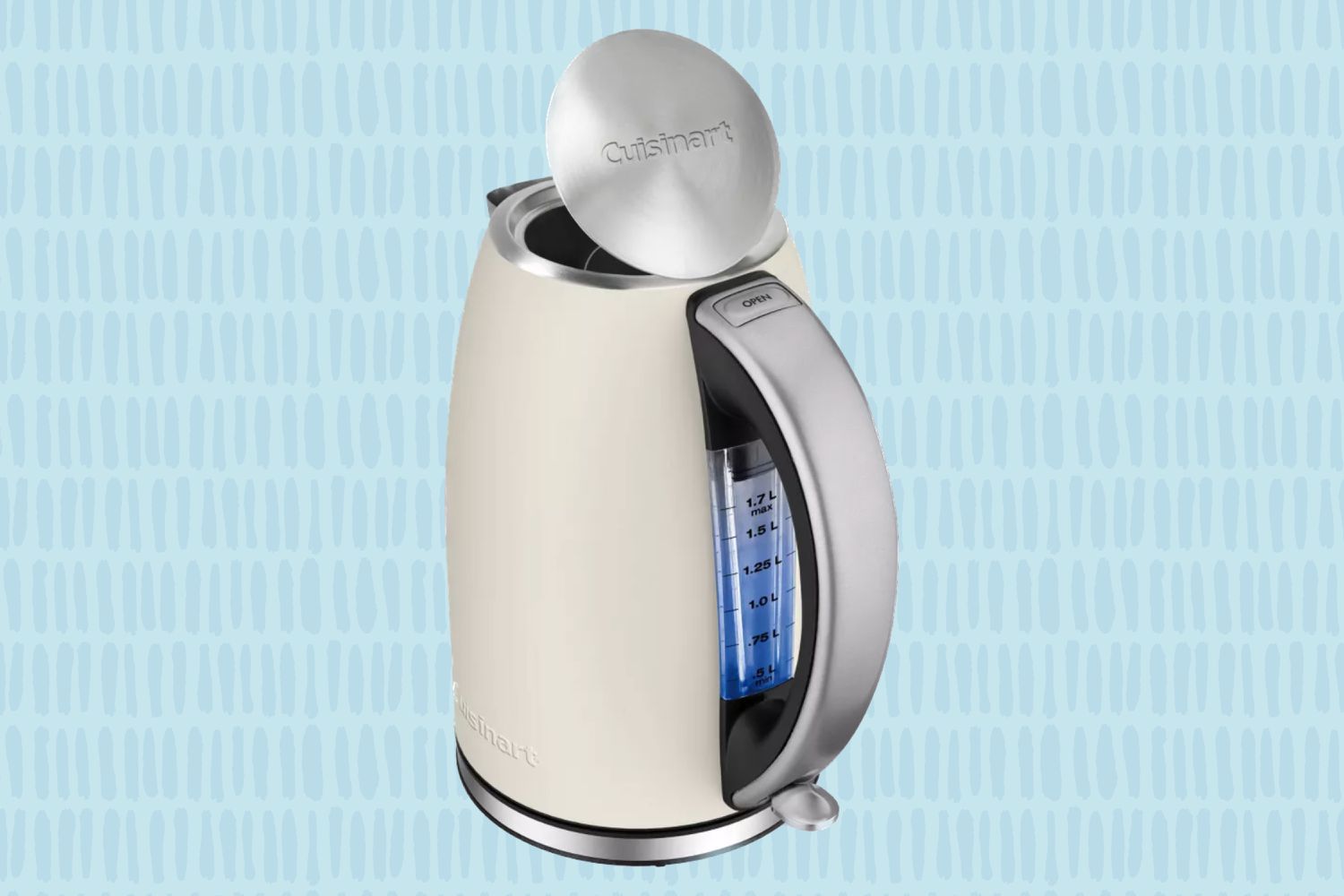
| 2 | Cuisinart 1.7-Liter Stainless Steel Cordless Electric Kettle with 6 Preset Temperatures |
|
| 3 | Amazon Basics Electric Kettle with Glass Carafe for Tea and Coffee, BPA-Free, Fast Boiling, Auto Shut-Off, 1.8 Quarts, 1500W, Black and Silver |
|
| 4 | Chefman Electric Kettle with Tea Infuser, 1L 1500W, Removable Lid for Easy Cleaning, Boil-Dry Protection, Stainless Steel Filter, BPA Free, Auto Shut Off Hot Water Boiler, Small Electric Tea Kettle |
|
| 5 | Chefman Electric Kettle, 1.8L 1500W, Hot Water Boiler, Removable Lid for Easy Cleaning, Auto Shut Off, Boil-Dry Protection, Stainless Steel Filter, BPA Free, Borosilicate Glass Electric Tea Kettle |
|
| 6 | OVENTE Electric Kettle, 1.5L Borosilicate Glass Countertop Water Heater and Boiler for Coffee or Tea, BPA-Free, Auto Shut-Off, Boil-Dry Protection, Removable and Washable Spout Filter, Black KG83B |
|
| 7 | Amazon Basics Electric Stainless Steel Kettle for Tea and Coffee, BPA-Free, Fast Boiling, Auto Shut-Off, 1.1 Quarts, 1500W, Black and Silver |
|
| 8 | Cosori Electric Kettle, No Plastic Filter & Spout, 1.7L Tea Kettle & Hot Water Boiler For Coffee & Tea, Water Heater & Teapot, Automatic Shut Off, Borosilicate glass, Black, 1500W |
|
| 9 | OVENTE Electric Kettle, 1.5L Borosilicate Glass Countertop Water Heater and Boiler for Coffee or Tea, BPA-Free, Auto Shut-Off, Boil-Dry Protection, Removable and Washable Spout Filter, Black KG83B |
|
| 10 | Chefman Electric Kettle, 1.8L 1500W, Hot Water Boiler, Removable Lid for Easy Cleaning, Auto Shut Off, Boil-Dry Protection, Stainless Steel Filter, BPA Free, Borosilicate Glass Electric Tea Kettle |
|
How to Brew Herbal Tea in a Kettle: The Step-by-Step Method
Ready to give it a try? Assuming you have a suitable glass, stainless steel, or infuser kettle, here is the foolproof method.
- Prepare Your Herbs: Measure your loose-leaf herbal tea. A good rule of thumb is 1-2 teaspoons of dried herbs per 8 ounces (about 240 ml) of water. Adjust based on how strong you like your tea.
- Add Herbs and Water:
- For Infuser Kettles: Place the herbs inside the removable infuser basket. Fill the kettle with the desired amount of cold, fresh water, then insert the infuser.
- For Kettles Without an Infuser: Place the loose herbs directly into the bottom of the kettle. Add the cold, fresh water on top. Avoid using tea bags with strings and tags, as the tag can be a fire hazard if it touches the heating element.
- Select the Right Temperature: This is the most critical step. If you have a variable temperature kettle, select the appropriate setting for your herbs. If not, heat the water until just before it reaches a rolling boil—when tiny bubbles are forming on the bottom.
- Delicate Flowers (Chamomile, Lavender): 175°F – 185°F (80°C – 85°C)
- Leaves (Peppermint, Lemon Balm): 195°F – 205°F (90°C – 96°C)
- Roots & Berries (Ginger, Rosehips): 212°F (100°C) – A full boil is often best to extract their properties.
- Steep to Perfection: Once the water reaches temperature, the steeping begins. If your kettle has a “keep warm” function, you can use it to maintain the temperature during steeping.
- Flowers & Leaves: 3-5 minutes
- Roots & Berries: 5-10 minutes
- Strain and Serve:
- For Infuser Kettles: Simply lift the basket out. Your tea is ready to pour!
- For Kettles Without an Infuser: Carefully pour the tea through a fine-mesh strainer into your mug to catch all the loose herbs.
The Aftermath: How to Clean Your Kettle After Brewing Tea
Don’t let your kettle sit! Cleaning it immediately is key to preventing stains and flavor buildup.
- Empty and Rinse: As soon as you’ve poured your tea, discard the used herbs and rinse the inside of the kettle with warm water.
- Gentle Scrub: Use a soft sponge or bottle brush with a bit of dish soap to gently scrub the interior. Never use abrasive scourers, as they can scratch the surface.
- Tackle Stains: For any lingering tea stains, create a solution of equal parts white vinegar and water (or use a citric acid descaling solution). Fill the kettle, bring it to a boil, and then let it sit for 20-30 minutes before emptying and rinsing thoroughly. This will leave it sparkling clean.
- Dry Completely: Wipe the inside dry or leave the lid open to air dry completely to prevent any mineral buildup.
Common Mistakes to Avoid When Brewing Tea in a Kettle
- Using a Plastic Kettle: Plastic is porous and will absorb the flavors and colors of the tea. Just don’t do it.
- Letting it Sit: Never leave brewed tea sitting in your kettle for hours. This will cause deep-set stains that are very difficult to remove.
- Using Boiling Water for Everything: As we discussed, this is the fastest way to ruin delicate herbal teas.
- Forgetting to Strain: If you brew loose herbs without an infuser, always pour through a strainer. A mouthful of soggy herbs is an unpleasant surprise.
- Ignoring the Warranty: Check your kettle’s user manual. Some manufacturers may void the warranty if anything other than water is used in the appliance.
Frequently Asked Questions
What is the best temperature for brewing herbal tea?
It varies, but a good starting point for most herbal teas (especially those with leaves and flowers) is around 195°F (90°C). This is hot enough to extract flavor without scorching the delicate components. For tougher roots like ginger, a full boil at 212°F (100°C) is better.
Can I use tea bags in my electric kettle?
You can, but it’s best to remove the paper tag and string first to avoid any safety issues with the heating element. However, loose-leaf tea in an infuser generally provides better flavor and is less messy.
Will brewing tea in my kettle void the warranty?
This is a real possibility. Many manufacturers state that their kettles are designed for water only. Brewing tea directly inside could be considered misuse. Always check your product’s manual and warranty information before proceeding.
How do I get the tea smell out of my kettle?
A simple solution of equal parts white vinegar and water is your best bet. Boil the solution in the kettle, let it sit for about 30 minutes, and then rinse thoroughly. The vinegar smell will dissipate, taking the tea odor with it.
Is it safe to put anything other than water in an electric kettle?
Generally, you should only put water in a standard electric kettle. The exceptions are kettles specifically designed with features like infuser baskets. Adding milk, sugar, or other substances can damage the heating element and create a difficult-to-clean mess.
Your Perfect Cup Awaits
While it might seem like a simple hack, there’s a right way and a wrong way to approach this. By choosing the right appliance—ideally a variable temperature kettle with a glass or stainless steel body and an infuser—and following the proper steps, you can unlock a new level of convenience in your tea-making ritual. It’s about working smarter, not harder.
Now that you’re armed with this knowledge, you can confidently move forward. Mastering how to brew herbal tea in a kettle is a rewarding skill that simplifies your routine and ensures you get the perfect, flavorful cup every single time. Go ahead, give it a try, and let us know what amazing herbal blends you create.