That first cup of coffee in the morning, the soothing herbal tea before bed—these are small rituals that frame our days. But have you ever stopped to think if that simple act is as green as it could be? Embracing an eco friendly lifestyle with an electric kettle is surprisingly simple and impactful. It’s not just about boiling water; it’s about making a conscious choice that saves energy, reduces waste, and aligns with a more sustainable way of living. Let’s dive into how this humble kitchen appliance can become a hero in your eco-conscious home.
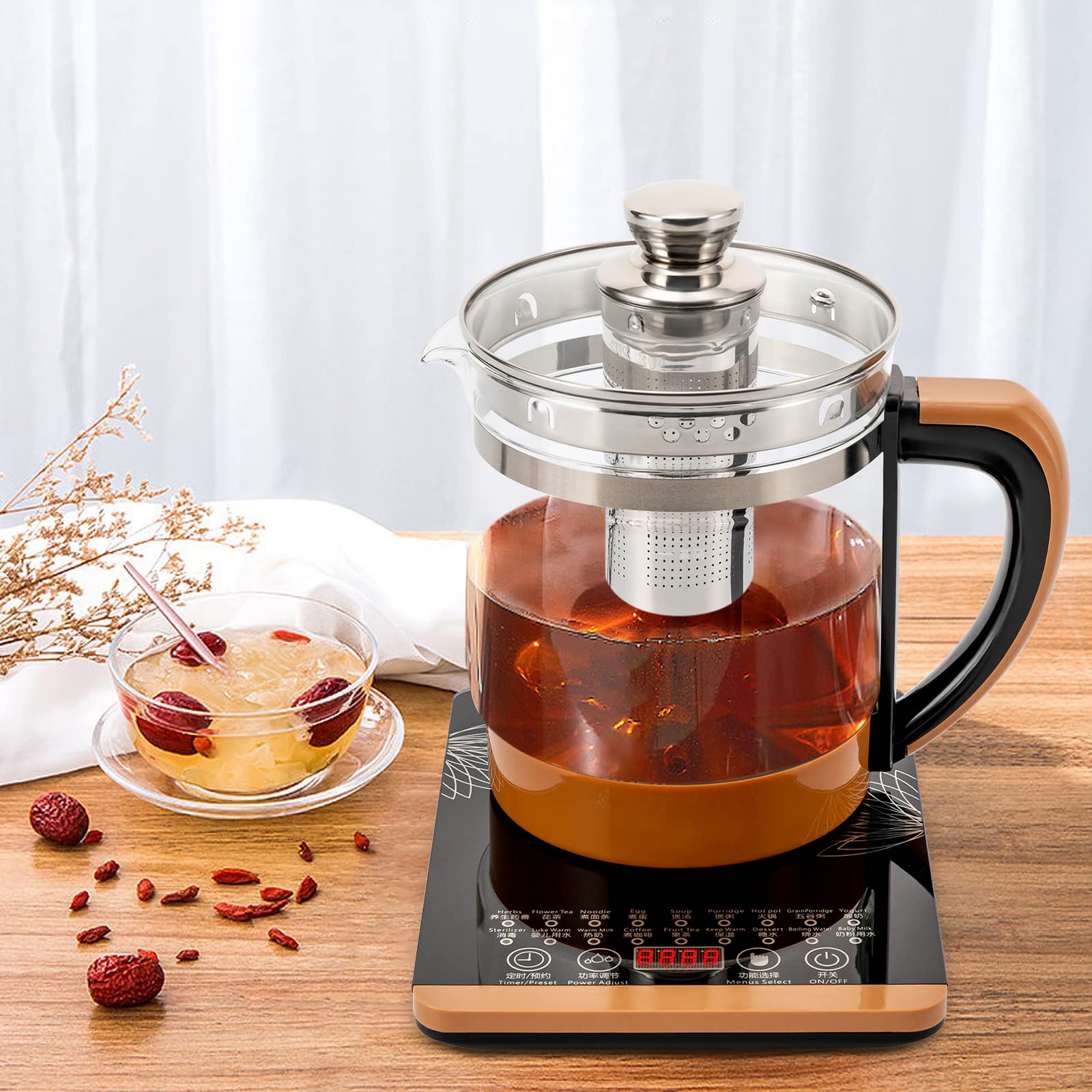
Why Choose an Electric Kettle for an Eco-Conscious Home?
It really boils down to one word: efficiency. An electric kettle is specifically designed for one job—heating water—and it does it exceptionally well. Unlike a stovetop, where a significant amount of heat escapes around the sides of the pot, an electric kettle’s heating element is in direct contact with the water.
Think of it like this: heating water on the stove is like trying to warm your hands over a bonfire, while using an electric kettle is like putting on a pair of perfectly fitted, heated gloves. Almost all the energy goes directly where it’s needed.
This direct heating method means your water boils much faster, often in just a few minutes. Faster boiling time translates directly to less electricity consumed, reducing your home’s carbon footprint one cup at a time. Studies have consistently shown that an electric water boiler can be up to 80% more efficient than its stovetop counterpart, both gas and electric.
The Anatomy of a Green Kettle: What to Look For
Not all kettles are created equal, especially when viewed through an eco-friendly lens. When you’re ready to upgrade or make your first purchase, here are the key factors that separate a good kettle from a truly sustainable one.
Material Matters: Stainless Steel, Glass, and the Plastic Problem
The material of your kettle impacts its durability, safety, and end-of-life recyclability. Let’s break down the main contenders.
| Material | Pros | Cons | Eco-Friendly Score |
|---|---|---|---|
| Stainless Steel | Highly durable, long-lasting, recyclable, often contains no plastic touching water. | Can get hot to the touch on the exterior. | ★★★★★ |
| Glass | No risk of leaching chemicals, visually appealing, easy to see water level and scaling. | Can be more fragile than steel, often has plastic or silicone parts. | ★★★★☆ |
| Plastic | Lightweight, inexpensive, cool to the touch. | Potential for BPA/BPS leaching, less durable, difficult to recycle. | ★★☆☆☆ |
For a truly eco-friendly choice, stainless steel is the clear winner. It’s tough as nails—my old steel kettle lasted nearly a decade—and is fully recyclable. Borosilicate glass is a fantastic second choice, especially if you prioritize seeing the water boil and want to be certain no flavors are imparted. The main goal is to find a model where the water only touches steel or glass, avoiding plastic components in the interior.
Energy Efficiency: More Than Just a Buzzword
Beyond its inherent efficiency over a stove, certain features can make an electric kettle even greener.
- Variable Temperature Control: This is perhaps the single most important feature for an eco friendly lifestyle with an electric kettle. Different beverages are best brewed at different temperatures. Green tea, for instance, should be steeped around 175°F (80°C), not at a full rolling boil of 212°F (100°C). Heating water only to the temperature you need prevents “over-boiling,” saving a significant amount of energy over time. It’s a game-changer.
- Keep Warm Function: While it sounds counterintuitive, a well-insulated kettle with a “keep warm” feature can save energy if you’re a household that needs hot water frequently over a short period. It uses minimal energy to maintain the temperature rather than re-boiling the full volume from cold.
- Good Insulation: A kettle with double-wall insulation not only keeps the exterior cool to the touch but also holds heat longer, meaning the water stays hot for a while after boiling, potentially preventing an unnecessary re-boil.
Built to Last: The Importance of Durability and Repairability
The greenest product is the one you don’t have to replace. Opting for a kettle from a reputable brand known for quality construction is a core tenet of sustainable consumption. Look for features that enhance longevity, such as:
- A concealed heating element: This prevents mineral scale from building up directly on the element, making the kettle easier to clean and extending its life.
- A sturdy, well-attached handle and lid: These are common failure points on cheaper models.
- A removable, washable filter: This small part helps keep scale out of your cup and can often be cleaned or replaced, extending the usability of the kettle.
|
Our Picks for the Best Electric Kettle in 2026
As an Amazon Associate, we earn from qualifying purchases.
|
||
| Num | Product | Action |
|---|---|---|
| 1 | Chefman Electric Kettle with Temperature Control, 5 Presets LED Indicator Lights, Removable Tea Infuser, Glass Tea Kettle & Hot Water Boiler, 360° Swivel Base, BPA Free, Stainless Steel, 1.8 Liters |

|
| 2 | Chefman Electric Kettle with Tea Infuser, 1L 1500W, Removable Lid for Easy Cleaning, Boil-Dry Protection, Stainless Steel Filter, BPA Free, Auto Shut Off Hot Water Boiler, Small Electric Tea Kettle |
|
| 3 | OVENTE Electric Kettle, 1.5L Borosilicate Glass Countertop Water Heater and Boiler for Coffee or Tea, BPA-Free, Auto Shut-Off, Boil-Dry Protection, Removable and Washable Spout Filter, Black KG83B |
|
| 4 | OVENTE Electric Kettle, 1.5L Borosilicate Glass Countertop Water Heater and Boiler for Coffee or Tea, BPA-Free, Auto Shut-Off, Boil-Dry Protection, Removable and Washable Spout Filter, Black KG83B |
|
| 5 | Cuisinart 1.7-Liter Stainless Steel Cordless Electric Kettle with 6 Preset Temperatures |
|
| 6 | Amazon Basics Electric Kettle with Glass Carafe for Tea and Coffee, BPA-Free, Fast Boiling, Auto Shut-Off, 1.8 Quarts, 1500W, Black and Silver |
|
| 7 | Cosori Electric Kettle, No Plastic Filter & Spout, 1.7L Tea Kettle & Hot Water Boiler For Coffee & Tea, Water Heater & Teapot, Automatic Shut Off, Borosilicate glass, Black, 1500W |
|
| 8 | Chefman Electric Kettle, 1.8L 1500W, Hot Water Boiler, Removable Lid for Easy Cleaning, Auto Shut Off, Boil-Dry Protection, Stainless Steel Filter, BPA Free, Borosilicate Glass Electric Tea Kettle |
|
| 9 | Amazon Basics Electric Stainless Steel Kettle for Tea and Coffee, BPA-Free, Fast Boiling, Auto Shut-Off, 1.1 Quarts, 1500W, Black and Silver |
|
| 10 | Chefman Electric Kettle, 1.8L 1500W, Hot Water Boiler, Removable Lid for Easy Cleaning, Auto Shut Off, Boil-Dry Protection, Stainless Steel Filter, BPA Free, Borosilicate Glass Electric Tea Kettle |
|
Mastering Your Eco Friendly Lifestyle with Electric Kettle Habits
Having the right kettle is half the battle. The other half is using it smartly. Adopting these simple habits will maximize your energy savings and minimize your environmental impact.
- Boil Just What You Need: This is the golden rule. Overfilling the kettle is the single biggest source of wasted energy. If you need one cup of tea, boil one cup’s worth of water (plus a little extra to cover the element). Many kettles have handy volume markers inside to help you gauge the right amount.
- Descale Regularly: Live in a hard water area? That chalky white buildup, known as limescale, is your kettle’s worst enemy. It forms an insulating layer on the heating element, forcing it to work harder and use more energy to boil the same amount of water. A simple descaling every month or two with a solution of white vinegar and water will keep your kettle running at peak efficiency.
- Leverage Variable Temperature Settings: We mentioned it before, but it’s worth repeating. Get to know the ideal temperatures for your favorite drinks. Use the lower settings whenever possible. You’ll not only save energy but also enjoy a better-tasting beverage.
- Don’t Re-boil Immediately: If you’ve just boiled the kettle a few minutes ago, the water inside is likely still very hot. Check it before you flick the switch again. A well-insulated kettle can keep water hot enough for a second cup for up to 10-15 minutes.
- Repurpose Leftover Hot Water: If you do accidentally boil too much, don’t just pour it down the drain. Use it to pre-warm your teapot or mug, water a plant (once it has cooled!), or pour it into a dirty pan to help loosen stubborn food.
Beyond Tea and Coffee: Creative Uses for Your Kettle
Your electric tea kettle is a versatile tool that can help you save energy elsewhere in the kitchen. Instead of waiting for a big pot of water to boil on the stove, use your kettle for a quick, efficient head start.
- Making instant oatmeal or ramen
- Pre-boiling water for pasta or potatoes
- Creating a quick stock with a bouillon cube
- Sanitizing baby bottles or utensils
- Making a simple hot compress
By using the most efficient tool for the job, you’re consistently making small choices that add up to a big impact.
Frequently Asked Questions (FAQ)
Q: Which is the most energy-efficient type of electric kettle?
A: Generally, the most energy-efficient kettle is one that boils water quickly and has features like variable temperature control. The material (glass vs. steel) has less impact on efficiency than your habits, like only boiling the water you need.
Q: Is a glass kettle more eco-friendly than a stainless steel one?
A: Both are excellent eco-friendly choices compared to plastic. Stainless steel often wins on durability and recyclability, making it arguably the most sustainable long-term option. Glass is a great choice for purity, as there’s zero chance of it imparting any taste to the water.
Q: How much energy does an electric kettle really save compared to a stovetop?
A: An electric kettle can use up to 80% less energy than a conventional electric stovetop and about 50% less than a gas stove for boiling the same amount of water. This is because the heating element is more efficient and the process is much faster.
Q: Are “smart” kettles with app control more eco-friendly?
A: They can be. The main eco-friendly benefit of a smart kettle is the ability to heat water to a precise temperature and schedule it to be ready exactly when you need it, avoiding re-boiling and saving energy. However, the energy used in standby mode (the “phantom load”) can sometimes offset these gains if not used mindfully.
Q: How often should I descale my kettle for maximum efficiency?
A: In areas with moderately hard water, descaling every one to two months is a good practice. If you notice a significant white buildup or if your kettle becomes noticeably louder or slower to boil, it’s definitely time to descale.
Your Small Switch, A Big Impact
Adopting an eco friendly lifestyle with an electric kettle is a perfect example of how small, mindful changes in our daily routines can contribute to a larger, positive impact. It’s about choosing a durable, efficient appliance and pairing it with smart habits. By boiling only what you need, using the right temperature, and keeping your kettle in good shape, you’re not just making a cup of tea—you’re conserving energy, reducing waste, and taking a meaningful step toward a more sustainable home. So go ahead, enjoy that perfectly brewed cuppa, knowing it’s good for you and a little better for the planet, too.