To maintain an electric kettle long term, regularly descale it every 1-3 months using a 1:1 white vinegar and water solution, empty it after each use, and wipe the exterior weekly. These practices prevent limescale buildup, which can slow boiling, waste energy, affect taste, and shorten the kettle’s lifespan by causing overheating.
It’s true. A well-maintained kettle isn’t just about longevity; it’s about efficiency, safety, and performance. I’ve seen kettles that were destined for the scrap heap brought back to life, and I’ve also seen shiny new ones ruined in months by simple neglect. This guide is my promise to you: follow these steps, and your kettle will be a faithful companion for years to come.
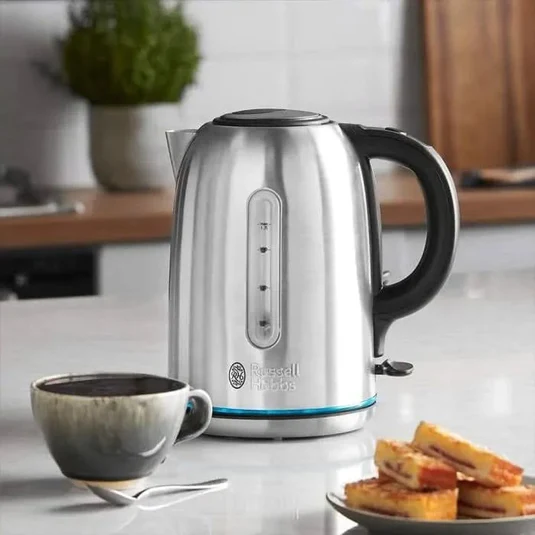 For compare top electric kettle on this site.
Why Bother with Kettle Maintenance Anyway?
You might be thinking, “It just boils water, how complicated can it be?” Well, the enemy is silent and sneaky, and its name is limescale. If you live in a hard water area—and most of us do—minerals like calcium and carbonate are having a little party inside your kettle every time you boil it.
Think of limescale as plaque for your kettle’s heating element. This chalky, white buildup does a few nasty things:
- Slows it down: It acts as an insulator, forcing the heating element to work much harder and longer to boil the same amount of water.
- Wastes energy: Because it’s working harder, it’s using more electricity. Maintaining your kettle is actually good for your wallet and the planet.
- Affects the taste: Those little white flakes floating in your tea? That’s limescale. It can impart a chalky, metallic taste to your water.
- Shortens its life: Overheating caused by limescale buildup is the number one killer of electric kettles. It puts immense strain on the components and can lead to premature failure.
So, a little maintenance goes a long way. It keeps your kettle working like new, ensures your morning brew is pure, and saves you from having to buy a replacement sooner than you need to.
The Ultimate Kettle Care Routine: Simple Steps for Longevity
The secret to how to maintain a kettle long term isn’t a single, complicated task. It’s a series of small, consistent habits. I’ve broken it down into a simple routine you can easily adopt.
Daily Habits That Make a Difference
These take seconds but have a massive impact.
- Empty After Use: Don’t let water sit in your kettle. Standing water is an open invitation for mineral buildup to start forming. Once you’ve poured your water, empty any excess. It’s the single best habit you can form.
- Leave the Lid Open: After emptying, leave the lid ajar for a few minutes. This allows the interior to air dry completely, which helps prevent mineral deposits and any potential musty smells.
The Weekly Wipe-Down: Keeping It Gleaming
|
Our Picks for the Best Electric Kettle in 2026
As an Amazon Associate, we earn from qualifying purchases.
|
||
| Num | Product | Action |
|---|---|---|
| 1 | OVENTE Electric Kettle, 1.5L Borosilicate Glass Countertop Water Heater and Boiler for Coffee or Tea, BPA-Free, Auto Shut-Off, Boil-Dry Protection, Removable and Washable Spout Filter, Black KG83B |

|
| 2 | Cuisinart 1.7-Liter Stainless Steel Cordless Electric Kettle with 6 Preset Temperatures |
|
| 3 | Chefman Electric Kettle, 1.8L 1500W, Hot Water Boiler, Removable Lid for Easy Cleaning, Auto Shut Off, Boil-Dry Protection, Stainless Steel Filter, BPA Free, Borosilicate Glass Electric Tea Kettle |
|
| 4 | Chefman Electric Kettle with Temperature Control, 5 Presets LED Indicator Lights, Removable Tea Infuser, Glass Tea Kettle & Hot Water Boiler, 360° Swivel Base, BPA Free, Stainless Steel, 1.8 Liters |
|
| 5 | Chefman Electric Kettle with Tea Infuser, 1L 1500W, Removable Lid for Easy Cleaning, Boil-Dry Protection, Stainless Steel Filter, BPA Free, Auto Shut Off Hot Water Boiler, Small Electric Tea Kettle |
|
| 6 | Chefman Electric Kettle, 1.8L 1500W, Hot Water Boiler, Removable Lid for Easy Cleaning, Auto Shut Off, Boil-Dry Protection, Stainless Steel Filter, BPA Free, Borosilicate Glass Electric Tea Kettle |
|
| 7 | Amazon Basics Electric Kettle with Glass Carafe for Tea and Coffee, BPA-Free, Fast Boiling, Auto Shut-Off, 1.8 Quarts, 1500W, Black and Silver |
|
| 8 | Amazon Basics Electric Stainless Steel Kettle for Tea and Coffee, BPA-Free, Fast Boiling, Auto Shut-Off, 1.1 Quarts, 1500W, Black and Silver |
|
| 9 | OVENTE Electric Kettle, 1.5L Borosilicate Glass Countertop Water Heater and Boiler for Coffee or Tea, BPA-Free, Auto Shut-Off, Boil-Dry Protection, Removable and Washable Spout Filter, Black KG83B |
|
| 10 | Cosori Electric Kettle, No Plastic Filter & Spout, 1.7L Tea Kettle & Hot Water Boiler For Coffee & Tea, Water Heater & Teapot, Automatic Shut Off, Borosilicate glass, Black, 1500W |
|
Your kettle’s exterior is exposed to kitchen grease, splashes, and dust. A quick weekly wipe-down keeps it looking sharp.
- For Stainless Steel: Use a soft, damp microfiber cloth. For stubborn fingerprints, a dab of white vinegar on the cloth works wonders. Always wipe in the direction of the grain to avoid scratches.
- For Glass Kettles: A simple glass cleaner or a solution of water and vinegar will make it sparkle. Spray it on the cloth, not directly on the kettle.
- For Plastic Kettles: A damp cloth with a tiny drop of dish soap is all you need. Wipe it down, then go over it again with a clean, damp cloth to remove any soap residue.
The Deep Clean: How to Descale Your Kettle Like a Pro
This is the big one. Depending on your water hardness, you should aim to do this every 1-3 months. You’ll know it’s time when you see a chalky film or white flakes forming inside.
The Natural Method: Vinegar or Lemon Juice
This is my go-to method. It’s cheap, effective, and you probably have the ingredients already.
- Fill it Up: Fill the kettle halfway with a 1:1 solution of white vinegar and water. If you don’t have vinegar, the juice of one whole lemon (or a few tablespoons of citric acid) works just as well.
- Boil it: Bring the kettle to a boil. Important: Stay nearby. Sometimes the reaction with the limescale can cause it to fizz up more than usual.
- Let it Sit: Once it boils, unplug the kettle and let the solution sit for at least 30 minutes. For really stubborn scale, you can leave it for a few hours or even overnight.
- Empty and Scrub: Pour out the solution. You’ll likely see a lot of a gunk come out with it. Use a non-abrasive sponge or cloth to gently scrub away any remaining bits of scale. Never use a steel wool or harsh scourer.
- Rinse Thoroughly: This is a crucial step! Rinse the kettle 3-4 times with fresh water to get rid of any lingering vinegar or lemon taste.
- Do a Final Boil: Fill the kettle with fresh water, boil it one last time, and discard the water. This ensures any aftertaste is completely gone. Your kettle is now pristine!
Does the Material of My Kettle Affect Maintenance?
Yes, absolutely! While the descaling process is similar for all types, the day-to-day care and what to watch out for can differ. Here’s a quick comparison:
| Material | Pros for Maintenance | Cons & What to Watch For |
|---|---|---|
| Stainless Steel | Durable, resists rust and staining. Easy to wipe clean. | Can show fingerprints easily. Scratches if cleaned with abrasive materials. |
| Glass | You can see exactly when it needs cleaning. Non-reactive. | Can be more fragile. Water spots can be very noticeable on the exterior. |
| Plastic | Lightweight, doesn’t show fingerprints. Often cheaper. | Can potentially absorb odors or stains over time. Ensure it’s BPA-free. |
“The biggest long-term threat to any electric kettle’s heating element is unchecked limescale. It forces the component to superheat just to boil the water, drastically reducing its operational lifespan. Regular descaling isn’t just cleaning; it’s preventative life-saving surgery for your appliance.” – Dr. Eleanor Vance, Materials Engineer
Common Mistakes That Shorten Your Kettle’s Lifespan
We’ve all been guilty of one of these at some point. Avoiding them is a key part of learning how to maintain your kettle long term.
- Boiling Dry: This is the cardinal sin. Constantly boiling with too little water can fry the heating element and trigger the auto-shutoff mechanism so often that it wears out. Most modern kettles have boil-dry protection, but you shouldn’t rely on it.
- Overfilling: Filling past the ‘MAX’ line can cause boiling water to bubble out of the spout or lid, which is a serious safety hazard and can damage the electrical components in the base.
- Submerging the Base: Never, ever put the electrical base in water or in the dishwasher. The kettle body itself is also not dishwasher safe. It’s a wipe-clean-only appliance.
- Using Abrasive Cleaners: Scratching the interior of your kettle, especially a stainless steel one, creates tiny crevices where limescale can build up even faster. Stick to soft cloths and sponges.
Frequently Asked Questions About Kettle Maintenance
How often should I descale my kettle?
This depends entirely on your water hardness. In a soft water area, every 3-4 months might be fine. In a very hard water area, you may need to do it monthly. The best indicator is sight: when you see a visible layer of white scale on the bottom, it’s time.
Can I put my electric kettle in the dishwasher?
No. Absolutely not. The kettle’s body contains electrical components that will be destroyed by a dishwasher cycle. The base should never even be submerged in a sink. Hand washing and wiping is the only safe method.
What are those white flakes floating in my tea?
That’s limescale (calcium carbonate) that has flaked off from the inside of your kettle. It’s generally harmless to ingest, but it doesn’t taste great and it’s a clear sign your kettle is overdue for a good descaling.
Is it safe to use vinegar in a plastic kettle?
Yes, it is generally safe to use a white vinegar solution to descale a good quality, BPA-free plastic kettle. However, don’t let it sit overnight as you might with a steel or glass model. A 1-2 hour soak is plenty. Always follow up with several rinses to ensure no vinegar residue remains.
My stainless steel kettle has rust spots inside. What should I do?
First, make sure it’s rust and not just discolored limescale. Try descaling it first. If small rust spots remain, you can make a paste of baking soda and water, apply it to the spots, let it sit for 15-20 minutes, and gently scrub with a soft cloth. Rinse thoroughly. To prevent it, always empty the kettle after use.
Your Kettle’s Long and Happy Life Awaits
Caring for your electric kettle isn’t a chore; it’s an investment. By taking just a few minutes each week and a half-hour every couple of months, you’re not just cleaning an appliance. You’re ensuring every cup of tea or coffee tastes pure, you’re saving energy, and you’re extending the life of a kitchen workhorse you rely on every single day. Now that you know how to maintain your kettle long term, you can enjoy its reliable performance for many years. Go on, give your kettle the little bit of love it deserves.
Frequently Asked Questions
How often should I descale my electric kettle?
You should descale your electric kettle every 1-3 months, depending on your water hardness. In soft water areas, every 3-4 months may suffice, but in very hard water areas, monthly descaling is often necessary. The best indicator is visible white scale on the bottom of the kettle.
Can an electric kettle be cleaned in a dishwasher?
No, an electric kettle cannot be cleaned in a dishwasher. The kettle's body contains electrical components that would be destroyed by a dishwasher cycle. The electrical base should never be submerged in water; only hand washing and wiping are safe cleaning methods.
What are the white flakes I see floating in my boiled water?
The white flakes floating in your boiled water are limescale, specifically calcium carbonate, which has flaked off from the inside of your kettle. While generally harmless to ingest, it indicates your kettle is overdue for descaling and can impart an unpleasant taste to your drinks.
Is it safe to use vinegar to descale a plastic electric kettle?
Yes, it is generally safe to use a white vinegar solution to descale a good quality, BPA-free plastic kettle. However, avoid letting the solution sit overnight; a 1-2 hour soak is usually sufficient. Always rinse the kettle thoroughly several times afterward to remove any lingering vinegar residue.
How can I remove rust spots from inside my stainless steel kettle?
First, ensure the spots are rust and not discolored limescale by attempting to descale the kettle. If rust spots remain, create a paste of baking soda and water, apply it to the spots, let it sit for 15-20 minutes, then gently scrub with a soft cloth. Rinse thoroughly and prevent future rust by emptying the kettle after each use.
How to Descale Your Electric Kettle Naturally
Descale your electric kettle using a simple, natural method with white vinegar or lemon juice to remove limescale buildup and extend its lifespan.
Fill your kettle halfway with a 1:1 solution of white vinegar and water. Alternatively, use the juice of one whole lemon or a few tablespoons of citric acid if vinegar is unavailable. This acidic solution will break down mineral deposits.
Bring the kettle to a boil with the solution inside, staying nearby to monitor for fizzing. Once boiled, unplug the kettle and let the solution sit for at least 30 minutes. For heavy scale, you can leave it for several hours or even overnight.
Pour out the descaling solution, which will likely contain loosened gunk. Use a non-abrasive sponge or cloth to gently scrub away any remaining limescale bits. Avoid using steel wool or harsh scourers to prevent scratching the interior.
Rinse the kettle 3-4 times with fresh water to completely remove any lingering vinegar or lemon taste. This step is crucial for ensuring your next beverage tastes pure.
Fill the kettle with fresh water one last time, bring it to a boil, and then discard the water. This final boil ensures any residual aftertaste is completely gone, leaving your kettle pristine and ready for use.
Get our weekly buyer guide
Practical specs, not advice. Unsubscribe anytime.
The descaling tip with white vinegar and water is a lifesaver! I’ve been struggling with limescale buildup for ages, and my kettle was starting to take forever to boil. I tried the 1:1 solution, and it worked wonders. My only minor complaint is the vinegar smell, but it dissipates quickly. Definitely worth it for a cleaner kettle.
I appreciate the advice on preventing limescale, especially how it can affect taste. I’ve noticed a slight off-flavor in my tea lately, and now I know why. I’m trying to get into the habit of descaling every 1-3 months, but it’s easy to forget. Maybe a reminder system would help. Still, good info to have.
I used to just let my kettle sit with water in it all the time, and it always looked so cloudy inside. After reading about emptying it after each use and wiping the exterior weekly, mine looks so much better. It really does make a difference in keeping it looking new and working efficiently. I’m glad I found these tips!
This guide is spot on! I’ve always been pretty good about cleaning my kettle, but I never fully understood *why* it was so important beyond just aesthetics. Learning that neglect can shorten its lifespan by causing overheating really hit home. My kettle is a workhorse, and I want it to last, so I’m sticking to these steps.